

Fables
The enduring power of fables — from Aesop to modern parables, how animal characters teach timeless moral lessons.
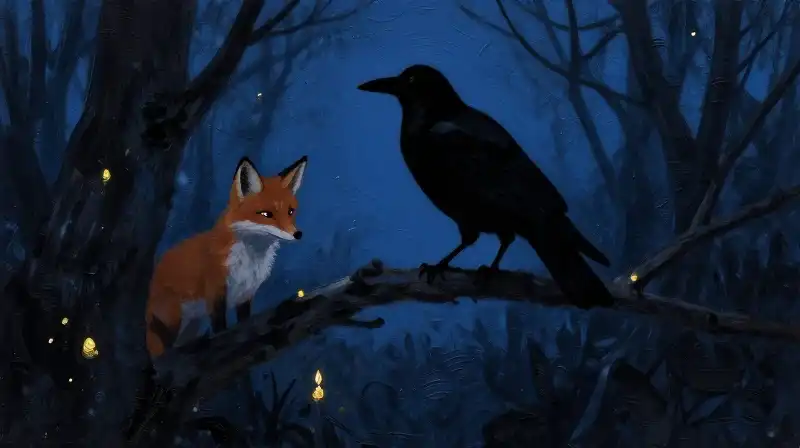
Aesops The Fox and the Crow: Themes, Variations, and Morals
An in-depth literary analysis of Aesops The Fox and the Crow, exploring its themes of flattery, historical variations, and the psychological mechanics of deception.
840 words
|
4 minutes
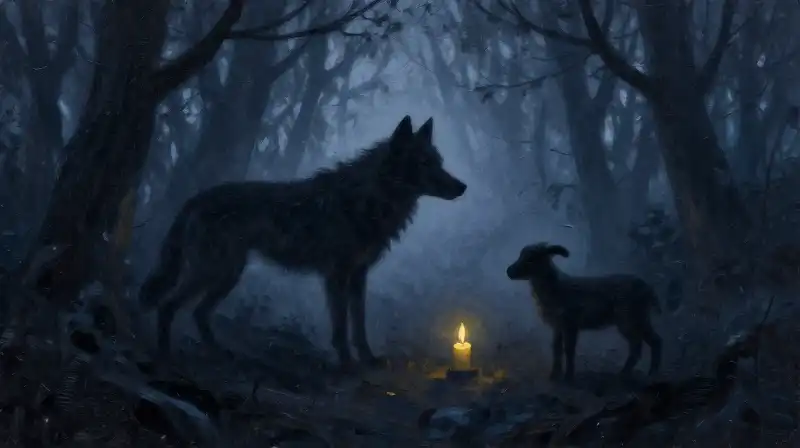
Aesops Short Stories: Morals, Archetypes, and Fable Analysis
Explore the enduring legacy of Aesops short stories through deep literary analysis of his fables, animal archetypes, and the profound morals that shaped Western culture.
1024 words
|
5 minutes
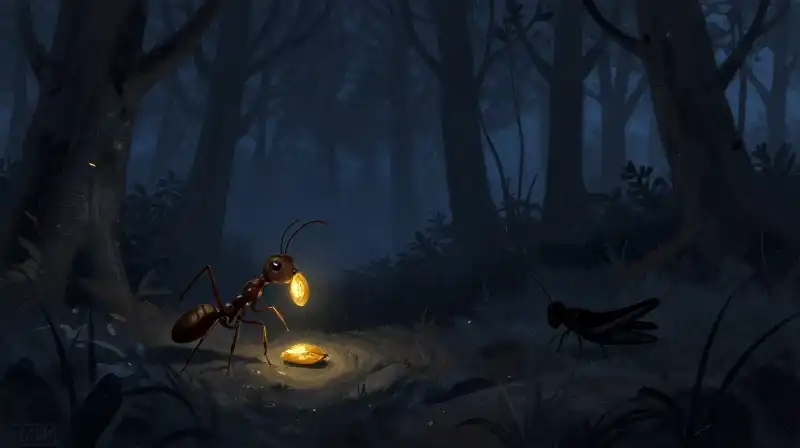
Aesop’s Ant and the Grasshopper: Themes, Debates, and Interpretations
Explore the literary evolution of Aesops Ant and the Grasshopper, from its origins as a moral lesson on hard work to modern debates on art, greed, and social value.
952 words
|
5 minutes
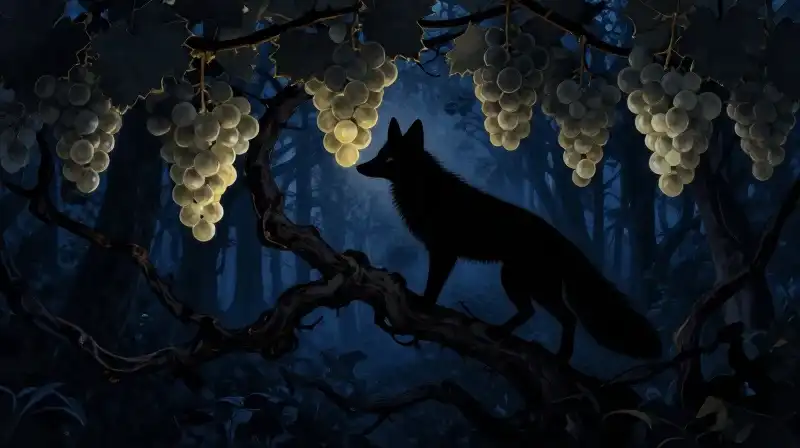
The Fox and the Grapes: Moral, Meaning, and Cultural Legacy
An in-depth analysis of Aesops The Fox and the Grapes, exploring its psychological meaning, the origin of the sour grapes idiom, and its rich cultural legacy.
906 words
|
5 minutes
Aesop’s Animals: Literary Archetypes vs. Biological Reality
Explore the tension between literary archetypes and biological reality in Aesops fables, analyzing how animal metaphors shape human morality and ethics.
1091 words
|
5 minutes
Aesop’s Sun and the Wind: Themes, History, and Interpretations
Explore the themes, history, and diverse interpretations of Aesops fable The North Wind and the Sun, from its origins in Ancient Greece to modern diplomacy.
861 words
|
4 minutes

Aesops Fables: The Legacy and Origins of the Classic Treasury
Explore the origins of Aesops Fables, the craft of the fable genre, and why these ancient moral tales remain essential pillars of Western literature and human wisdom.
798 words
|
4 minutes
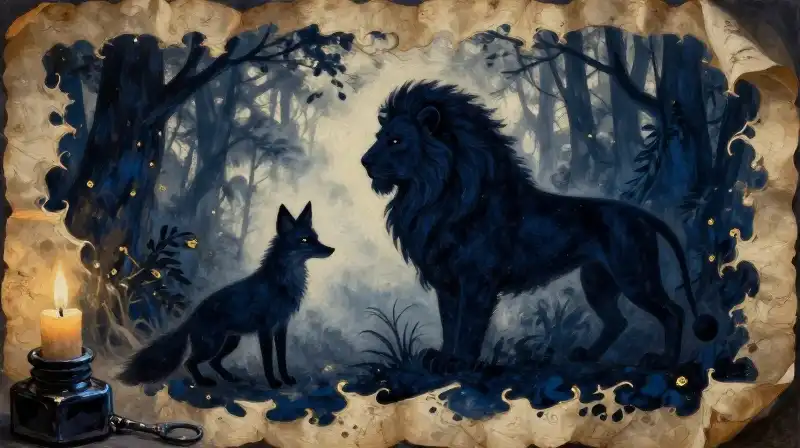
Aesop’s The Wolf and the Lamb: Themes, Morals, and Allegories
An in-depth literary analysis of Aesops The Wolf and the Lamb, exploring its themes of tyranny, its use as political allegory, and its enduring moral complexity.
972 words
|
5 minutes
Frequently Asked Questions
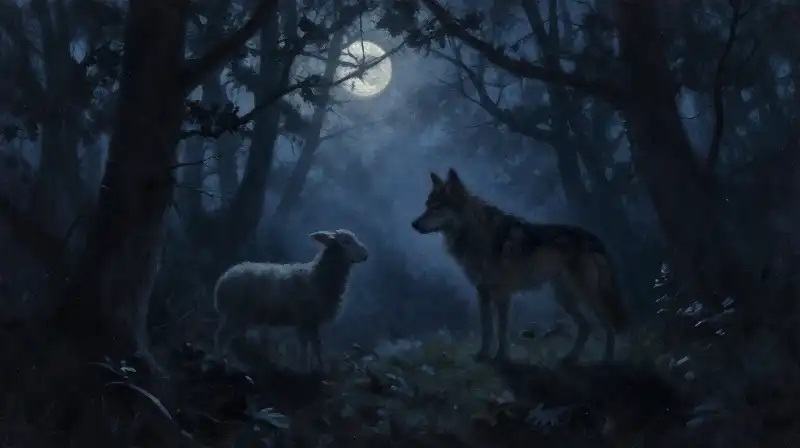
Why do fables use animals as characters?
Fables use animals as characters because they transcend culture, class, and time. A fox is cunning in every language, making the moral lesson universal and accessible to readers of all ages.