
The Best Horror Graphic Novels: From Junji Ito to Alan Moore

Introduction
Horror in the sequential art medium operates differently than in prose or film. While a novelist relies on the rhythm of sentences to build dread, and a filmmaker uses jump cuts and score to trigger a visceral response, the graphic novel utilizes the “gutter”—the space between panels—to force the reader’s imagination to complete the horrific act. This interplay between what is drawn and what is left to the mind creates a unique psychological tension, where the terror is often found in the silent transition from one frame to the next.
To explore the best horror graphic novels is to navigate a spectrum ranging from the visceral, “shock art” of Japanese manga to the dense, philosophical deconstructions of Western postmodernism. Whether it is the cosmic dread of a shape shifting in the dark or the social horror of a decaying town, these works use the marriage of text and image to explore the boundaries of the human psyche and the fragility of our perceived reality.
The Architects of Dread: Moore, Gaiman, and Ito
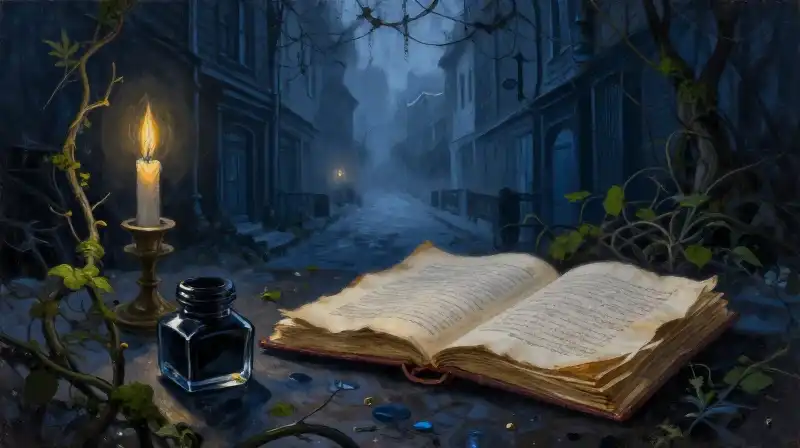
Certain authors have not merely written horror comics; they have fundamentally redefined the medium’s capacity for depth, moving the genre away from simple pulp scares and toward sophisticated literary territory.
Alan Moore: Historical and Ecological Terror
Alan Moore is a towering figure who uses horror as a lens to examine history and the environment. In From Hell, he moves beyond the superficiality of slasher tropes to provide a meticulously researched historical exploration of Jack the Ripper, treating the murders as a dark ritual embedded in the very architecture of London [2]. Similarly, his work on Swamp Thing utilizes the conventions of pulp horror to delve into complex themes of environmental power and the terrifying sublime of the natural world [2].
Neil Gaiman: Mythic and High Fantasy Horror
Neil Gaiman often blurs the line between horror and high fantasy. His seminal work, The Sandman, follows Morpheus, the Lord of the Dreaming, as he navigates mythical realms and even the depths of Hell [1, 2]. Gaiman’s horror is often less about blood and more about the existential dread of mortality and the shifting nature of stories themselves.
Junji Ito: The Mastery of Obsession
For readers seeking a “shock art” experience rooted in psychological and atmospheric dread, Junji Ito is the definitive voice. His work often centers on inescapable, inexplicable phenomena—most notably in Uzumaki, where a small Japanese town becomes cursed by the hypnotic, recurring pattern of the spiral [1, 2]. Ito’s ability to turn mundane shapes into sources of cosmic terror makes his work uniquely unsettling.
A Taxonomy of Terror: Navigating Subgenres
The term “horror” is broad. To find the right entry point, it is helpful to categorize these works by their thematic and atmospheric foundations.
| Subgenre | Defining Characteristics | Representative Works |
|---|---|---|
| Cosmic Horror | Focuses on the insignificance of humanity against vast, unknowable forces. | Gou Tanabe’s adaptations of H.P. Lovecraft (e.g., Shadow over Innsmouth) [1]. |
| Southern Gothic / Rural Noir | Explores decay, tradition, and the dark secrets of isolated communities. | Cullen Bunn’s Harrow County; Jeff Lemire’s Gideon Falls [1]. |
| Urban/Occult Horror | Intersects magic and crime within modern, metropolitan settings. | Jamie Delano/Garth Ennis’s Hellblazer [2]. |
| Survival / Apocalyptic Horror | Focuses on the collapse of society and the primal struggle to stay alive. | Robert Kirkman’s The Walking Dead [2]. |
| Body Horror | Centers on the grotesque transformation or violation of the human form. | Charles Burns’s Black Hole [1]. |
Deep Dives: Themes and Techniques
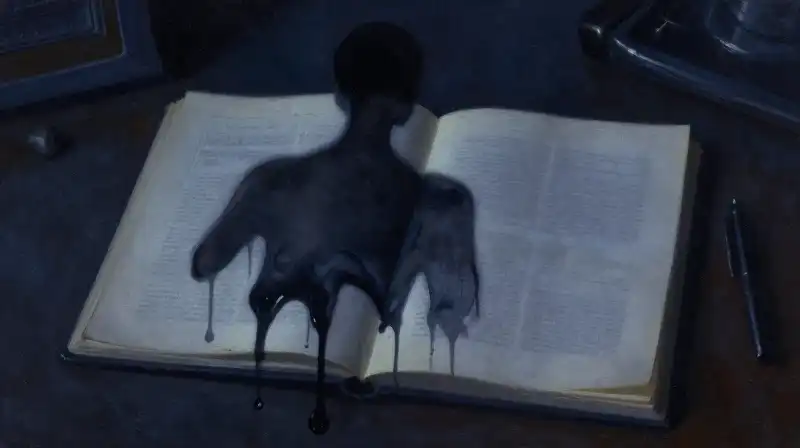
The Alienation of the Body in Black Hole
Charles Burns’s Black Hole is a masterclass in using body horror to mirror psychological states. Set in 1970s Seattle, the story follows a group of teenagers navigating a sexually transmitted plague that manifests as grotesque physical transformations [1]. The horror here is not just the physical mutation, but the profound sense of alienation and the loss of identity that accompanies it, serving as a potent metaphor for adolescent isolation.
The Psychological Thriller and “Horror Noir”
Some works lean into the tension of the crime thriller. Joshua Williamson’s Nailbiter is often categorized within the “horror noir” subgenre, set in a town notorious for serial killers [1]. These stories rely on pacing and the dread of the “next” crime, blending the procedural elements of noir with the visceral scares of horror.
The Weight of Tradition in Small Towns
A recurring motif in graphic horror is the terror of the local. Daniel Kraus’s The Autumnal explores how terrifying local traditions can infect a small town [1]. This theme of “inherited” horror—where the danger is baked into the community’s history—is a hallmark of the genre, suggesting that the most frightening monsters are the ones we cultivate ourselves.
Addressing Common Reader Inquiries
What are the darkest graphic novels?
Darkness in graphic novels can be measured by aesthetic, thematic, or emotional weight. For visual darkness and moody aesthetics, Grant Morrison’s Batman: Serious House on a Serious Earth is noted for its experimental and unsettling imagery [1]. Thematically, works like Black Hole or the works of Junji Ito offer a profound sense of psychological darkness and hopelessness.
Which is the best horror comic book?
“Best” is subjective and depends on the reader’s preference for tone. If you prefer historical depth, Alan Moore’s From Hell is a standard-bearer [2]. If you prefer supernatural fantasy, Neil Gaiman’s The Sandman is widely lauded [1, 2]. For pure, visceral dread, Junji Ito’s manga remains a top recommendation [1, 2].
What are the top graphic novels for adults?
Adult horror often moves away from the “slasher” tropes of young adult fiction to explore complex sociological or philosophical questions. Works like Hellblazer, which navigates the intersection of politics and magic, or The Walking Dead, which examines the collapse of human morality during an apocalypse, are designed for mature readers [2].
Synthesis: Why Horror Matters in Sequential Art
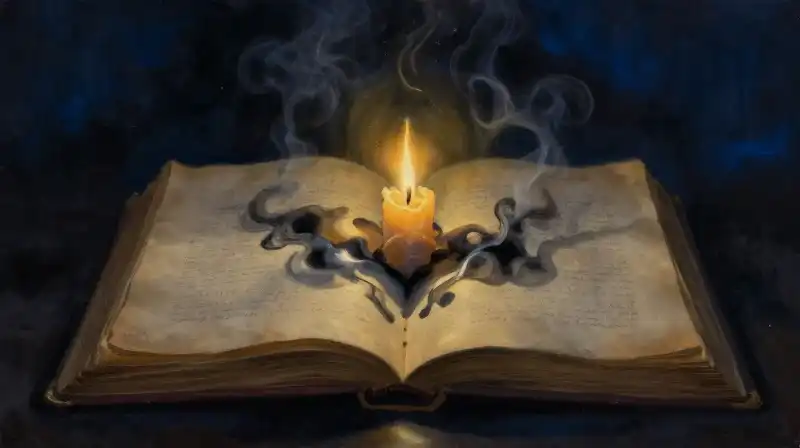
The enduring power of the horror graphic novel lies in its ability to make the abstract tangible. A feeling of dread, a sense of cosmic insignificance, or the creeping realization of one’s own mortality is rendered in ink and shadow, making the internal struggle visible. From the visceral survivalism of 30 Days of Night [1, 2] to the ancient, predatory history explored in Scott Snyder’s Wytches [1, 2], these works remind us that horror is not merely about the fear of death, but about the confrontation with the unknown—both in the world around us and within ourselves.
Sources
- Best horror graphic novel? : r/graphicnovels — reddit.com
- 11 Greatest Horror Graphic Novels — hammerfilms.com
Related Articles