
Best Horror Graphic Novels: From Junji Ito to Neil Gaiman

The Architecture of Dread: Mapping the Horror Graphic Novel
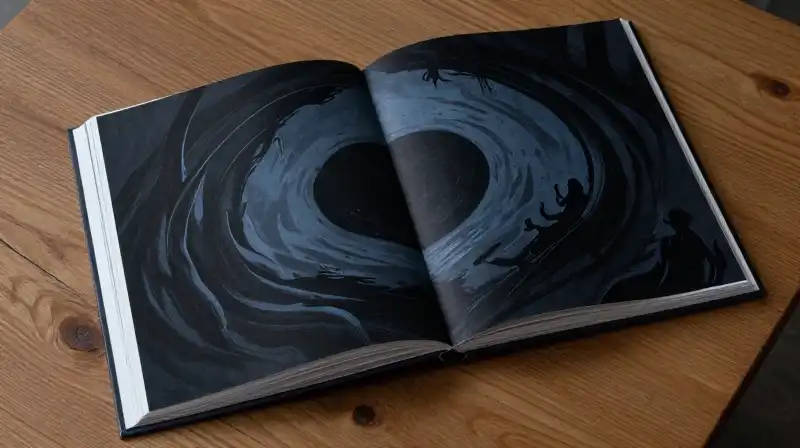
Horror in the medium of sequential art operates through a unique synergy of timing and visual revelation. Unlike prose, which relies on the reader’s internal imagination to conjure a monster, or film, which dictates a specific movement, the graphic novel controls the “reveal” through the pacing of the page turn. A single panel can hold a character in a state of mounting tension, while the subsequent page turn provides the visceral shock that defines the genre. From the cosmic, incomprehensible terrors of the Lovecraftian tradition to the claustrophobic, internal anxieties of psychological realism, horror graphic novels utilize this layout to manipulate the reader’s sense of safety and perception.
To navigate this landscape is to move through various sub-genres that treat fear differently: some aim for the “jump scare” of visual extremity, while others seek a slow, atmospheric decay of the soul. Whether exploring the gritty, occult streets of London or the surreal, spiral-obsessed towns of Japanese manga, the best horror graphic novels use their visual language to explore what lies at the periphery of human understanding [1, 2].
Foundational Masters: Redefining the Medium
The evolution of horror in comics is inextricably linked to creators who pushed the boundaries of what a “comic book” could represent, moving the medium from pulp sensationalism to literary complexity.
Neil Gaiman and the Mythic Horror
Neil Gaiman’s The Sandman (1989–1996) serves as a bridge between high fantasy and sophisticated horror. By following Morpheus, the Lord of the Dreaming, through mythic realms and even the depths of Hell, Gaiman uses horror not just for scares, but to explore the necessity of stories and the weight of immortality [2]. It is a work where the horror is often cerebral, rooted in the terrifying vastness of the subconscious.
Alan Moore and the Intersection of History and Nature
Alan Moore has used the medium to dissect different facets of dread, from the historical to the ecological:
- From Hell (1989–1996): A complex, historical horror-true crime hybrid that meditates on the psyche of Jack the Ripper, using the fog-drenched streets of Victorian London to explore social rot and ritualistic violence [2].
- Swamp Thing (1984–1987): A reinvention of the character that leaned into ecological horror, exploring themes of environmental power, memory, and the blurred lines between man and nature [2].
Thematic Landscapes of Fear
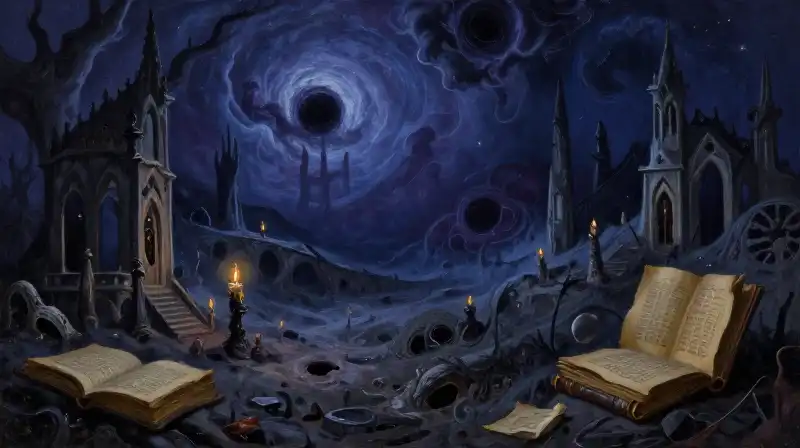
Horror graphic novels can be categorized by the specific “lens” through which they view terror. Understanding these categories helps readers find the specific type of unease they seek.
| Genre/Style | Core Mechanism | Representative Works |
|---|---|---|
| Cosmic/Lovecraftian | The terror of the unknown and the insignificance of humanity. | Gou Tanabe’s adaptations of H.P. Lovecraft (e.g., Shadow over Innsmost) [1]. |
| Psychological/Social | Alienation, anxiety, and the horrors of human interaction. | Charles Burns’s Black Hole [1, 2]. |
| Southern Gothic | Decay, folklore, and the weight of a haunted past. | Cullen Bunn’s Harrow County [1]. |
| Urban Supernatural | Occultism embedded in the gritty reality of modern cities. | Hellblazer (John Constantine) [2]. |
| Survival Horror | Societal collapse and the primal struggle to endure. | Robert Kirkman’s The Walking Dead [2]. |
The Visualizing of the Incomprehensible
Cosmic horror relies on “faceless horror”—threats so alien that they defy human recognition. Gou Tanabe’s manga adaptations of H.P. Lovecraft, such as The Mountains of Madness, are masterclasses in this, using chilling, detailed art to visualize the scale and incomprehensibility of Lovecraftian entities [1].
Metaphor and Alienation
Sometimes, the horror is not a monster from the stars, but a manifestation of internal struggle. Charles Burns’s Black Hole uses a metaphoric plague in 1970s Seattle to explore the anxieties of adolescence, high-school alienation, and the cruelty of social hierarchies [1, 2]. Here, the horror is a visceral representation of the dread of growing up and being cast out.
Junji Ito and the Mastery of “Shock Art”
In the realm of manga, few names command as much respect for their ability to induce visceral discomfort as Junji Ito. Ito specializes in a form of “shock art” where the horror often stems from obsessive, unnatural transformations. His work frequently centers on an idea or a shape that becomes a contagion.
- Uzumaki: A terrifying study of a town obsessed with the hypnotic, geometric shape of the spiral, showing how an abstract concept can manifest as physical and psychological devastation [1, 2].
- Tomie: A tale of an unsettling, regenerative woman whose presence triggers obsessive, violent impulses in those around her [1, 2].
The Setting as Protagonist: Small Towns and Haunted Lands
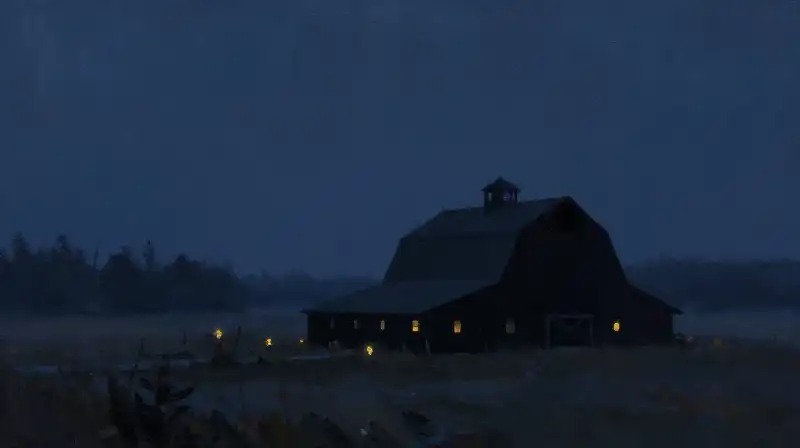
In many of the best horror graphic novels, the setting is not merely a backdrop; it is an active force that shapes the narrative. This is often seen in the “small town” trope, where isolation and local secrets provide the primary source of tension.
- Gideon Falls: Jeff Lemire utilizes the concept of the “Black Barn”—a mysterious, recurring structure—to anchor a narrative of cosmic dread within a rural setting [1].
- Nailbiter: Joshua Williamson crafts a thriller set in a town infamous for its serial killers, where the environment itself feels predatory [1].
- Wytches: Scott Snyder’s series uses ancient, elusive creatures to build a narrative around the history of persecution and the dark secrets held by a community [1, 2].
How to Approach the Genre: A Beginner’s Path
If you are looking for the best horror graphic novels for adults or those seeking a more accessible entry point, it is helpful to choose a starting point based on your tolerance for different types of dread.
- For the Story-Driven Reader: Start with The Sandman or Locke & Key. While Locke & Key eventually shifts from pure horror into dark fantasy, its use of magical keys in a New England mansion provides a compelling, character-driven entry into the genre [1, 2].
- For the Visually Driven Reader: Turn to Junji Ito. His work is immediate and striking, making him a perfect gateway for those who want to see the “impossible” rendered on the page [1, 2].
- For the Atmosphere Seeker: Look toward Southern Gothic or folklore-inspired works like Harrow County or Emily Carroll’s Through the Woods, which utilize distinct narrative approaches to blend myth with dread [1].
- For the Gritty Realist: Hellblazer offers a way to experience the supernatural through the lens of political commentary and urban decay [2].
The Lasting Impact of Visual Dread
The enduring power of the horror graphic novel lies in its ability to make the abstract concrete. Whether it is the geometric obsession of Uzumaki, the social metaphor of Black Hole, or the historical weight of From Hell, these works use the interplay of image and text to explore the darkest corners of the human experience. They remind us that horror is rarely just about the monster under the bed; it is about the fears we carry within ourselves, the histories we cannot escape, and the terrifying realization that the universe may be far stranger, and far less kind, than we imagine.
Sources
- Best horror graphic novel? : r/graphicnovels — reddit.com
- 11 Greatest Horror Graphic Novels — hammerfilms.com
Related Articles