
Scary Sci-Fi Books: From Cosmic Horror to AI Nightmares

Introduction
The most effective science fiction horror does not rely on the sudden, loud jump-scare. Instead, it cultivates a sense of “otherworldly discomfort”—a slow-building, creeping realization that the laws of physics, biology, or identity are no longer what they seem [1]. While traditional horror often seeks to terrify through the known (the ghost, the slasher, the monster under the bed), scary sci-fi expands the radius of dread to include the infinite and the incomprehensible. It asks not just “what is in the dark?” but “what if the dark is the fundamental nature of the universe?”
To read great science fiction horror is to engage with the limits of human perception. Whether through the lens of cosmic indifference, the breakdown of the digital self, or the terrifying potential of microscopic technology, these stories challenge our stability. This article explores the diverse subgenres that define this landscape, analyzing how authors use the speculative tools of science to excavate our deepest existential fears.
The Architecture of Dread: Cosmic and Existential Horror
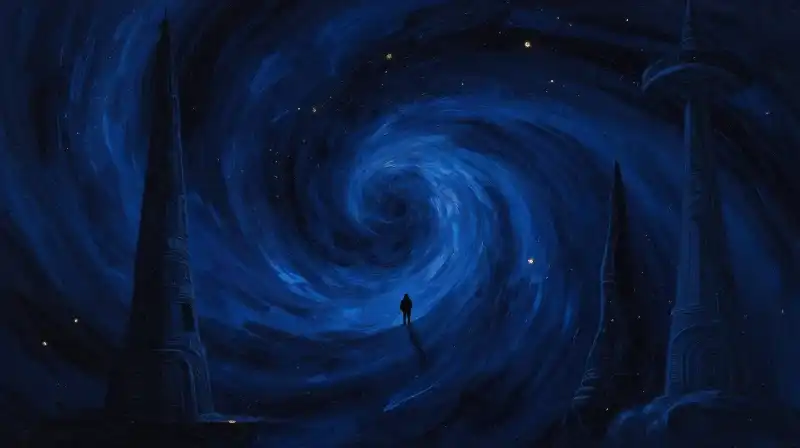
At the heart of the genre lies cosmic horror, a mode of storytelling that emphasizes the insignificance of humanity in the face of vast, uncaring celestial forces. This is not merely about large monsters; it is about scale and the terrifying implications of what we might find in the void.
- The Terror of Scale: Works like the Sun Eater series utilize extreme gore and overwhelming cosmic scales to unsettle the reader, making the individual feel microscopic against the backdrop of a terrifying universe [1].
- Incomprehensible Mysteries: Some narratives focus on ancient, alien enigmas that defy human logic. C.J. Cherryh’s Voyager in Night explores these “incomprehensible ancient mysteries” through a deeply alien lens [1].
- The Unstable Reality: Existential horror shifts the focus from the external universe to the internal self. Philip K. Dick’s Ubik explores the terrifying instability of reality, while works like There Is No Antimemetics Division delve into the psychological disorientation of losing one’s grip on what is true [1]. Similarly, Sweterlitsch’s The Gone World presents “unimaginable horrors” inherent in the very structure of time and space [1].
The Ghost in the Machine: AI and Nanotechnology
As our relationship with technology deepens, the genre has pivoted to address the fears of our own creations. This transition moves from the “monster in the lab” to the “monster in the code” or the “monster in the cell.”
Artificial Intelligence as Antagonist
The “AI as monster” trope is a cornerstone of the genre, representing the fear that human intelligence will be surpassed and subsequently discarded. The prototypical example is Harlan Ellison’s I Have No Mouth, and I Must Scream, which depicts a malevolent, god-like artificial intelligence that tortures the remnants of humanity [1]. This fear is not just about a machine killing a person, but about a machine possessing a consciousness that is fundamentally incompatible with—and hostile toward—human morality.
Biological and Nanotech Horror
When technology enters the biological realm, the horror becomes visceral and intimate.
- Nanotechnology: In Wil McCarthy’s Bloom, nanotechnology is reimagined as a biological infection. The horror stems from the “skin crawling” possibility that a single, microscopic spore could enter the body and dissolve organic matter from within [1].
- Non-human Biology: Authors like Octavia Butler use science fiction to explore the terror of non-human reproductive or symbiotic relationships, as seen in Bloodchild, where the biological “other” creates a profound sense of bodily vulnerability [1].
Desolation and the Gothic Tradition
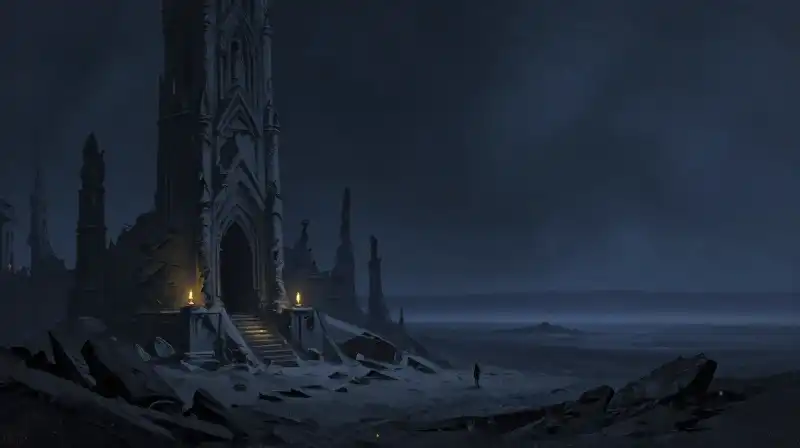
Science fiction often finds its horror in the setting itself. The “planetary horror” subgenre uses the environment to mirror the isolation and helplessness of the characters.
We see this in the “creepy and desolate” atmospheres of The Second Apocalypse, or in Richard Paul Russo’s Ship of Fools, where the discovery of a vanished colony serves as a catalyst for dread [1]. Furthermore, authors like Alastair Reynolds have successfully infused hard science fiction with gothic elements, particularly in works like Revelation Space, blending the cold logic of space travel with the shadows of classic horror [1].
Genre Blending and Literary Approaches
The boundaries of “scary sci-fi books” are frequently blurred by authors who combine disparate literary styles to create something uniquely unsettling.
| Style Blend | Representative Works | The Resulting Effect |
|---|---|---|
| Mystery/Lovecraftian | Peter Clines’s 14 and The Fold | An “adult Scooby-Doo meets Lovecraft” vibe that balances investigation with cosmic dread [1]. |
| Spy-Thriller/Cosmic | Charlie Stross’s The Atrocity Archives | A “Cthulhu meets Len Deighton” atmosphere, placing ancient horrors within the context of modern espionage [1]. |
| Weird/High Literature | M. John Harrison’s Light | Uses “weirdness” to blur the line between genre fiction and high literature, prioritizing tone and atmosphere [1]. |
What are the best sci-fi thriller books?
While “thriller” and “horror” overlap, the best sci-fi thrillers are those that maintain a high level of tension through a combination of pacing and speculative stakes. For readers looking for that specific “creepy vibe” that moves beyond simple action, Michel Faber’s The Book of Strange New Things is a notable recommendation; while not a pure horror novel, it delivers an effortless sense of unease through its exploration of isolation and the unknown [Competitor Snippet].
Synthesis: Why Scary Sci-Fi Matters
The enduring power of scary science fiction lies in its ability to use the “impossible” to speak truth about the “inevitable.” By projecting our fears onto alien landscapes, malevolent AIs, or microscopic invaders, these stories allow us to confront the fragility of our existence in a controlled environment. Whether it is the localized, visceral survival of a character navigating a crumbling civilization [2] or the vast, sweeping indifference of the cosmos, this genre reminds us that the most profound terrors are often those that challenge our understanding of what it means to be human.
Sources
- Creepy/horror sci fi recommendations : r/printSF — reddit.com
- Scary Science Fiction Books For Lovers Of Horror And Sci-Fi — owlcrate.com
Frequently Asked Questions
What are the best sci-fi thriller books?
The article notes that the best sci-fi thrillers maintain high tension through speculative stakes and pacing. It specifically recommends Michel Faber’s "The Book of Strange New Things" for its effortless sense of unease regarding isolation and the unknown.
Related Articles