
The Best Sci-Fi Graphic Novels: From Dune to Cyberpunk Noir

The Visual Frontier: Why Science Fiction Thrives in Sequential Art
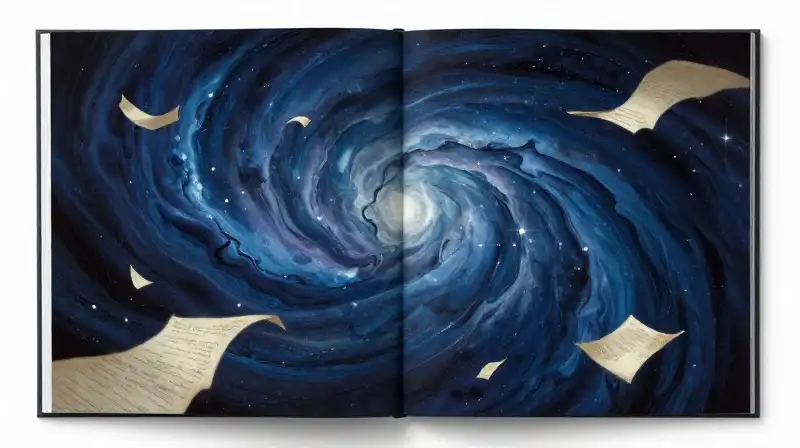
Science fiction has always been a genre of “the big idea”—the speculative leap into what might be, or what could have been. While prose allows for the internal monologue of a lonely astronaut or the dense political machinations of a galactic empire, the graphic novel introduces a second, equally vital dimension: the visual architecture of the impossible. In a medium where the layout of a page can dictate the pacing of a starship’s descent or the claustrophobia of a neon-drenched alleyway, science fiction finds its most visceral expression. From the sprawling, psychedelic cosmologies of the “Jodoverse” to the intimate, painterly explorations of machine sentience, the best sci-fi graphic novels do more than tell a story; they build worlds that the reader inhabits through the synchronized dance of text and image.
The Scale of the Infinite: Space Opera and Far-Future Epics
For readers drawn to the heavy world-building of Frank Herbert’s Dune, the transition to graphic literature often begins with works that prioritize vast, almost overwhelming scale. These are stories where geography is as much a character as the protagonists, and where the “far-flung” nature of the setting serves to highlight the fragility of human agency.
- The Jodoverse (Jodorowsky): Works such as The Incal, The Metabarons, and Technopriests represent a pinnacle of high-concept, surrealist space opera [1]. These stories are defined by “insane ideas and art” that push the boundaries of traditional narrative, offering a psychedelic experience that mirrors the unpredictability of the cosmos [1].
- Prophet (Brandon Graham): A modern reinvention that functions as “far-future transhuman Conan in space” [1]. It blends the ruggedness of sword-and-sorcery with advanced evolutionary speculation, exploring how life might adapt to the extreme edges of the universe [1].
- Descender (Jeff Lemire and Dustin Nguyen): This series moves away from the hard lines of traditional sci-fi, utilizing a soft-edged, painterly art style to examine the wreckage of past decisions and the complex bridge between biological life and machine sentience [2].
Shadows of Tomorrow: Cyberpunk, Noir, and Dystopia
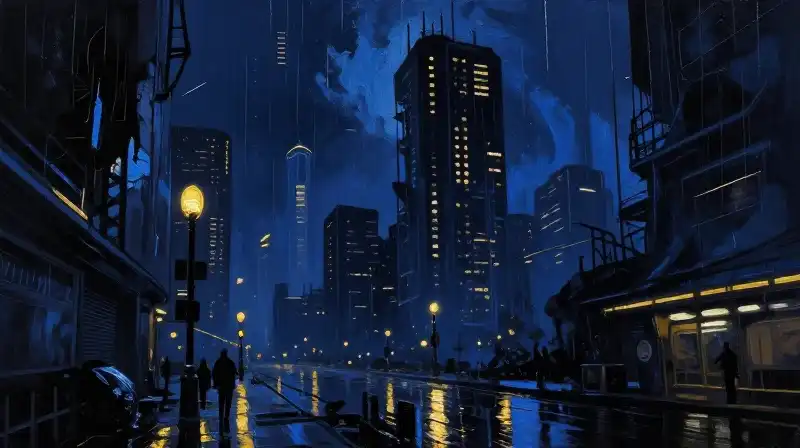
If space opera looks outward at the stars, the dystopian subgenres look inward at the decay of society. The “cyberpunk” aesthetic—characterized by high tech and low life—is a mainstay of the medium, often utilizing the noir tradition to explore themes of identity, privacy, and the loss of the human essence in a digital age.
The Urban Grime of Cyberpunk and Noir
The tension of the cyberpunk genre often rests on the friction between the individual and the overwhelming systems of the state or the corporation. This is exemplified in several distinct approaches:
- The Aesthetic of Decay: Classic manga like Akira or the Blade Runner comic series (including Blade Runner 2019 and 2029) establish the visual vocabulary of the genre—rain-slicked streets, towering neon monoliths, and the blurring of the line between human and artificial [1, 2].
- Cyber-Dystopian Noir: Analog by Gerry Duggan offers a grounded, terrifyingly plausible vision of 2024, focusing on a courier of physical secrets in a world where online privacy has been utterly annihilated [2].
- Social and Robotic Rights: Alex + Ada by Sarah Vaughn and Jonathan Luna pivots the genre toward the personal, using a romance to interrogate the ethics of android companionship and the definition of personhood [2].
Dystopian Extremes: Apocalypse and Experimentation
Some works push the dystopian concept into the realm of the mythic or the biological, using speculative science to examine the darker impulses of humanity.
- Mythic Apocalypse: Jonathan Hickman’s East of West reimagines North America as a landscape where the Four Horsemen of the Apocalypse are active, blending alternative history with a “gory” epic sensibility [2]. Hickman is a master of complex, hard sci-fi world-building, also seen in works like The Manhattan Projects [1, 2].
- Biological Speculation: The manga Ajin: Demi-Human explores the tactical use of supernatural abilities within a society that views “demi-humans” with intense fear, focusing on government experimentation and the quest for immortality [2].
Mapping the Sci-Fi Landscape
To help navigate these diverse styles, the following table contrasts the primary tonal directions found in contemporary science fiction graphic novels.
| Subgenre | Primary Focus | Atmospheric Hallmark | Representative Works |
|---|---|---|---|
| Space Opera | Interstellar politics, vast scales, cosmic destiny | Grandeur, surrealism, “far-flung” settings | The Incal, Prophet |
| Cyberpunk/Noir | Technology vs. Humanity, urban decay, privacy | Neon-noir, claustrophobia, digital alienation | Akira, Analog, Blade Runner |
| Hard/Speculative Sci-Fi | Scientific plausibility, complex systems | Intricate world-building, intellectual rigor | East of West, The Manhattan Projects |
| Dystopian/Post-Apocalyptic | Societal collapse, survival, systemic oppression | Gritty, visceral, often “gory” or bleak | Ajin: Demi-Human, East of West |
Subverting the Heroic: Working-Class and Millennial Sci-Fi
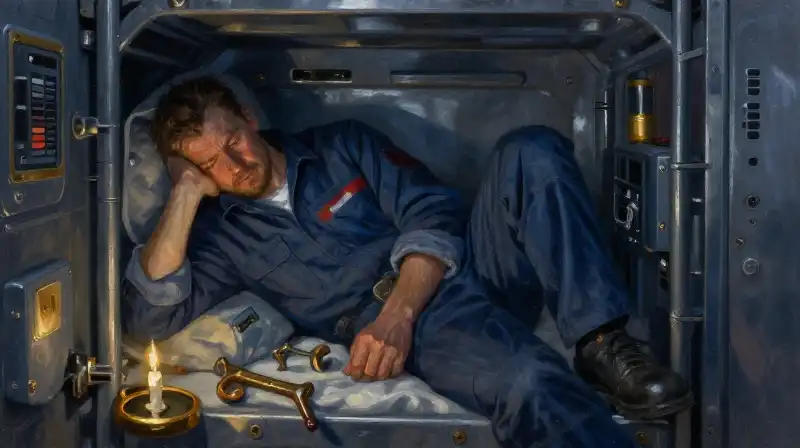
Modern science fiction has increasingly moved away from the “chosen one” trope, opting instead for more grounded or contemporary perspectives. This shift is often categorized as “millennial sci-fi”—works that feel state-of-the-art in their pacing and social awareness, such as Saga and Paper Girls [1].
We also see a rise in narratives that focus on the “unseen” workers of the future. The webcomic Dicebox by Jenn Manley Lee, for example, explores the itinerant, working-class lives of those staffing space stations, providing a perspective on space travel that is more mundane and relatable than the epic battles of traditional space opera [2].
How to Approach the Genre: A Beginner’s Path
If you are looking for the best sci-fi graphic novels but find the sheer breadth of the genre intimidating, consider this logical progression based on your preferred “entry point”:
- For the Visual Learner (The “Spectacle” Entry): Start with The Incal or Akira. These works rely heavily on the sheer power of their art to convey their concepts, making them highly immersive.
- For the Story-Driven Reader (The “Character” Entry): Begin with Saga or Descender. These series prioritize emotional resonance and character arcs, using the sci-fi setting to heighten the human experience.
- For the Intellectual/Hard Sci-Fi Reader (The “System” Entry): Dive into Jonathan Hickman’s works or Prophet. These require more attention to detail but reward the reader with deeply intricate, thought-provoking structures.
The Enduring Value of Speculative Vision
What makes the science fiction graphic novel a vital literary form is its ability to make the abstract concrete. When a writer like Rick Remender uses a “pulpy” tone in Fear Agent or explores the visceral depths of Black Science, he isn’t just providing escapism; he is using the visual medium to probe the boundaries of fear and discovery [1]. Whether it is the “mind-bending” horror of Grant Morrison’s Nameless or the environmentalist warnings found in Hayao Miyazaki’s Nausicaä of the Valley of the Wind, these works force us to confront the consequences of our technological and social trajectories [1]. By marrying the speculative depth of science fiction with the immediate impact of visual art, the graphic novel ensures that the questions of our future are not just read, but seen.
Sources
- Can I please get some recommendations for science fiction graphic novels? : r/graphicnovels — reddit.com
- 20+ Spectacular Science Fiction Graphic Novels – planet jinxatron — planetjinxatron.com
Related Articles