Classic Horror Novels: From Gothic Roots to Modern Dread

Introduction
Fear in literature rarely begins with a jump scare; it begins with a shadow, a heavy door, or the unsettling realization that the person sitting across from you is not who they claim to be. The history of horror is not merely a chronology of monsters, but an evolution of how we conceptualize dread—moving from the external, crumbling castles of the 18th century to the internal, fractured psyches of the 20th. To study classic horror novels is to trace the history of the human shadow, mapping how our anxieties have shifted from the fear of supernatural curses to the terror of our own biological and psychological impulses.
The Gothic Foundations: Architecture and Atmosphere
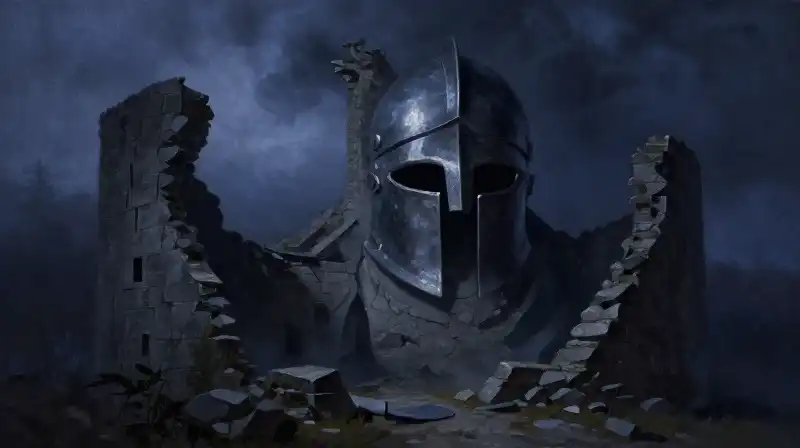
The genre finds its architectural blueprint in Horace Walpole’s The Castle of Otranto. As the foundational text of Gothic horror, Walpole established the “trail-blazing” tropes that would define the genre for centuries: ancient curses, decaying settings, and a sense of overwhelming, melodramatic fate [2]. In Otranto, the horror is often literal and grand—exemplified by the surreal image of an heir being crushed by a colossal, supernatural helmet [2]. This era relied heavily on “ghosty” elements and heightened emotion to bridge the gap between the rational world and the sublime terror of the unknown.
As the Gothic tradition matured, it began to split into different modes of terror. While some authors leaned into the supernatural, others began to explore the boundaries of science and the human soul.
The Intersection of Science and Horror
Mary Shelley’s Frankenstein represents a seismic shift in the genre. By grounding horror in the pursuit of scientific knowledge rather than mere folklore, Shelley essentially invented the science fiction/horror hybrid [2]. While modern readers occasionally struggle with her prose—sometimes finding it verbose or pretentious if the specific historical and Romantic contexts are not understood—the work remains a profound meditation on responsibility and the monstrousness of creation [2].
Following Shelley, the “turn of the century” era saw horror scale down from the sprawling castle to the intimate, terrifying confines of the human body. Robert Louis Stevenson’s Strange Case of Dr Jekyll and Mr Hyde moved the “monster” inward, utilizing medical “potions” to explore the duality of man and the struggle between social respectability and primal impulse [2].
The Evolution of the Predator: From Carmilla to Dracula
The vampire has long served as a vessel for exploring societal taboos, shifting from the predatory, gender-bending figure to the archetypal force of pure evil.
- Sheridan Le Fanu’s Carmilla: An essential precursor to the modern vampire mythos, this work is celebrated not only as an influential early vampire story but also as a significant piece of gay fiction [2].
- Bram Stoker’s Dracula: A pillar of the genre, Stoker’s work codified the “good vs evil” narrative. Through characters like the memorable Lucy Westenra, the novel explores the threat of the outsider against the sanctity of Victorian society [2].
The Shift Toward Psychological and Domestic Horror
As the 20th century approached, the source of horror migrated from the “other” (the vampire, the ghost) to the “self” (the mind, the home). This transition turned the domestic space—once a place of safety—into a site of profound anxiety.
The Labyrinth of the Mind
Psychological horror often utilizes isolation and a lack of agency to create a sense of inescapable nightmare. This is evident in several landmark works:
- Charlotte Perkins Gilman’s “The Yellow Wallpaper”: A masterclass in psychological tension, using the theme of isolation to create what can only be described as a “true thing of nightmares” [2].
- Henry James’s The Turn of the Screw: James employs a “labyrinth of lies,” using a classic creepy setting to drive a narrative that leaves the reader questioning the reality of the haunting itself [2].
- Oscar Wilde’s The Picture of Dorian Gray: While often categorized by its unparalleled prose, the novel is a terrifying exploration of narcissism and the inescapable consequences of a life lived without moral restraint [2].
Mid-Century and Modern Dread
The transition from classic to modern horror saw the rise of authors who mastered the art of atmospheric and domestic dread. Writers like H.P. Lovecraft and Edgar Allan Poe laid the groundwork for “weird” fiction and cosmic horror, respectively [1]. This paved the way for mid-century masters such as Ray Bradbury, Ira Levin, and Shirley Jackson [1].
Shirley Jackson, in particular, remains a cornerstone of the genre. The Haunting of Hill House is frequently cited as the quintessential classic of its kind, while We Have Always Lived in the Castle utilizes themes of isolation to induce a unique, creeping anxiety [1, 2]. This lineage leads directly into the modern era, where horror often focuses on the breakdown of the domestic sphere, such as in Ira Levin’s Rosemary’s Baby or the atmospheric, character-driven depth of Stephen King’s The Shining [1].
Comparing Eras of Horror
Understanding where a book sits in the horror canon requires distinguishing between its stylistic goals and its era of production.
| Era/Subgenre | Primary Focus | Representative Authors | Core Mechanism |
|---|---|---|---|
| Gothic Horror | Atmosphere, Ruins, Fate | Walpole, Le Fanu | Externalized dread via setting and supernatural curses. |
| Cosmic/Weird Fiction | The Unknown, Insignificance | Lovecraft, Poe | Terror derived from the vastness and indifference of the universe. |
| Psychological Horror | The Mind, Identity, Sanity | James, Gilman, Jackson | Internalized dread via unreliable narration and isolation. |
| Modern/Pulp Horror | Visceral Reaction, Domesticity | King, Levin, Herbert | A mix of psychological depth and, in some cases, “gory fun” [1]. |
A Path Through the Darkness: A Beginner’s Guide
For those looking to approach these “classic horror novels” without feeling overwhelmed by academic prose or dated pacing, a thematic progression is often more effective than a strictly chronological one.
- Start with the Atmosphere (The Gothic): Begin with Dracula or The Castle of Otranto to understand how setting and mood function as characters in themselves.
- Move to the Internal (Psychological): Transition to “The Yellow Wallpaper” or The Turn of the Screw to see how the horror shifts from the castle to the mind.
- Explore the Modern (The Masters): Conclude with Shirley Jackson or Stephen King to see how these historical foundations are synthesized into contemporary storytelling.
Why the Horror Endures
The evolution from the crumbling battlements of Walpole to the claustrophobic hallways of King reveals a fundamental truth: horror is a mirror. Whether it is the externalized monster of the 1800s or the psychological fracturing of the 1900s, these works endure because they provide a safe container for our most profound anxieties. By studying these classics, we do not just learn how to be frightened; we learn how literature maps the boundaries of the human experience, defining what it means to be vulnerable, to be aware, and to face the dark.
Sources
- What book(s) would you consider “classic” horror? : r/horrorlit — reddit.com
- My Top 10 Classic Horror Novels — happygoathorror.com
Related Articles