
Best Graphic Novels for 10-Year-Olds: A Curated Reading List

Introduction
At the age of ten, a reader stands at a critical literary crossroads. The simple, linear narratives of early childhood are often giving way to a desire for complexity, yet the dense, uninterrupted walls of text found in traditional adult fiction can still feel daunting. For many, the graphic novel provides the perfect bridge. By marrying sophisticated visual storytelling with structured prose, these works offer a multi-sensory approach to literacy that respects a young reader’s intelligence while accommodating their developing attention spans.
Choosing the “best” graphic novel for this age group is not merely about finding something colorful; it is about identifying works that utilize the medium’s unique syntax—the interplay of panel, gutter, and dialogue—to explore themes of identity, adventure, and emotional resilience. Whether a child is looking for a sprawling fantasy epic or a grounded memoir about the trials of middle school, the medium offers a gateway to much deeper literary engagement.
Foundational Epics and High Fantasy
For readers drawn to world-building and long-form storytelling, certain series serve as the “gateway drugs” to the epic fantasy genre. These works demonstrate how visual pacing can mirror the tension of a traditional novel.
- Bone by Jeff Smith: Often considered a foundational recommendation for ten-year-olds, this series expertly balances slapstick, lighthearted humor with a sweeping, high-stakes fantasy arc [1]. It teaches readers how tone can shift from whimsical to epic without losing its footing.
- Amulet by Kazu Kibuishi: Renowned for its intricate adventure and breathtaking artwork, Amulet is a masterclass in visual immersion [1]. Its fast-paced, high-contrast panels are noted for being particularly effective for readers who may struggle with sustained focus, such as children with ADHD [1].
- Wings of Fire (The Dragonet Prophecy): While often associated with prose, the graphic novel adaptations of this series provide a substantive, deep narrative that proves “children’s stories” can handle significant emotional weight and complex lore [1].
Contemporary Realism and Emotional Intelligence
Not all great graphic novels rely on magic or monsters. Some of the most impactful works for this demographic use the medium to dissect the complexities of growing up, making the internal struggles of adolescence visible through expressive character art.
Raina Telgemeier stands as a cornerstone author in this realm. Her works—including Smile, Ghosts, Drama, and Guts—are essential reading because they approach the “real world” with a precision that resonates deeply with the ten-to-twelve-year-old experience [1]. These stories navigate orthodontic struggles, family loss, and social anxiety with a clarity that feels both authentic and accessible.
Similarly, Jen Wang’s Stargazing is highly regarded for its emotional intelligence, demonstrating how the graphic novel can tackle challenging, nuanced stories that require a reader to empathize with the characters’ quiet, internal shifts [1].
Genre Transitions: From Prose to Panels
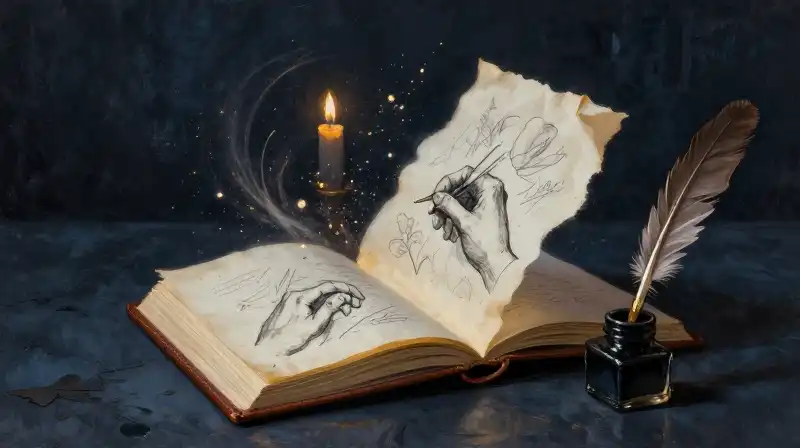
The graphic novel is an exceptional tool for “literary scaffolding”—helping readers transition from visual-heavy media to more traditional text-based literature. This is achieved through several distinct approaches:
| Approach | Description | Example Work |
|---|---|---|
| Direct Adaptation | Converting established prose into a visual format to aid comprehension. | A Wrinkle in Time [1] |
| Genre Entry Points | Using specific tropes (like mystery) to hook readers into a new genre. | Enola Holmes series [1] |
| Medium Expansion | Stories that begin in graphic form and successfully migrate to other media. | Hilda [1] |
Diversifying the Reading List: Manga, Whimsy, and Mystery
As readers mature, their interests often fragment into specialized niches. A well-rounded library for a ten-year-old should reflect this growing complexity.
Manga and Specialized Interests
Manga offers a unique rhythmic pacing that differs significantly from Western comics. For young readers, titles like Witch Hat Atelier (centering on magic) or Cat + Gamer (catering to gaming interests) provide specific entry points into this massive cultural medium [1].
Whimsy and Anthropomorphism
For those seeking escapism that doesn’t sacrifice wit, works like Sparks (concerning cats in a dog suit) or Garlic and the Vampire (featuring sentient vegetables) offer high-concept, whimsical premises that appeal to a sense of play [1]. For a more artistic, magical realism approach, Cats of the Louvre uses the setting of famous paintings to create a self-contained, imaginative world [1].
The Classics and Modern Staples
- Calvin and Hobbes: A timeless essential that remains a benchmark for how humor and philosophy can coexist in a single strip [1].
- Hilo by Judd Winick: A wholesome, adventure-driven series featuring a robot boy, perfect for readers looking for positive messaging paired with humor [1].
- Lumberjanes and Adventure Time: These series are noted for their ability to maintain high engagement through consistent, vibrant world-building [1].
Synthesis: Why the Medium Matters
The importance of graphic novels for ten-year-olds extends beyond mere entertainment. By engaging both the linguistic and visual centers of the brain, these works develop a specific type of literacy: the ability to synthesize information from multiple streams simultaneously. Whether it is the epic scale of Bone, the emotional honesty of a Telgemeier memoir, or the structural bridge of a prose adaptation, these stories provide the intellectual and emotional tools necessary for the next stage of a lifelong reading journey. They prove that “reading” is not a monolithic act, but a dynamic interaction between eye, mind, and imagination.
Sources
- Graphic Novels for a 10-Year Old : r/graphicnovels — reddit.com
Related Articles