Classic Books for Women: Essential Reads from Woolf to Plath


Introduction
What makes a book a “classic”? It is a question that often feels more like a heavy burden than a literary distinction. For many readers, the term suggests a dusty, impenetrable canon of works that must be endured rather than enjoyed. However, if we look through the lens of Italo Calvino, a classic is not merely an old book, but one that remains “original, unexpected, and innovative” despite the fact that everyone has heard of it [3]. It is a work that refuses to settle into the static background of history, instead maintaining a dialogue with the present through universal themes that continue to resonate with contemporary sensibilities [3].
For women readers, exploring the classic canon offers more than a history lesson; it provides a roadmap of the intellectual, social, and psychological landscapes shaped by female experience. From the sharp social satires of the 19th century to the mid-century explorations of mental health and autonomy, these works document the evolving struggle for agency. Whether you are looking for classic books for women in their 20s to navigate identity, or seeking profound modern classics that change your life, understanding these texts requires looking past the “must-read” labels to see the craft and the courage behind them.
The Architects of Autonomy: Virginia Woolf and the Modernist Shift
To understand the trajectory of women’s literature, one must encounter Virginia Woolf. Woolf did not just write novels; she interrogated the very structures of how we perceive time, gender, and the self. Her work offers multiple entry points into feminist literary analysis, moving from the direct political provocation of her essays to the fluid, impressionistic depths of her fiction [2].
Intellectual Independence in A Room of One’s Own
Woolf’s essay A Room of One’s Own stands as a foundational modern classic. It provides a critical perspective on the material and social constraints that have historically stifled female intellectual autonomy [2]. Woolf’s central argument—that a woman must have money and a room of her own to write fiction—is less about the physical space and more about the necessity of economic and mental independence. It is a work that remains essential for understanding the historical barriers to female creativity.
Fluidity and Identity in Orlando
If her essays provide the theory, her novel Orlando provides the imaginative liberation. In this work, Woolf explores gender and identity through a protagonist who lives for centuries and changes sex, defying the rigid biographical constraints of the era [2]. It is a masterclass in how prose can be used to break the boundaries of the traditional novel.
Social Satire and the Constraints of Tradition
Before the modernist revolution, the classic novel often functioned as a mirror to society, using wit and keen observation to navigate the strictures of class and decorum. Women writers in this era used the novel to dissect the very social engines that governed their lives.
- Jane Austen: A master of social satire, Austen’s works—such as Persuasion—are staples of the classic canon [2, 3]. Her ability to weave profound critiques of marriage and social standing into engaging narratives ensures her work remains a cornerstone of English literature.
- Edith Wharton: In works like The House of Mirth, Wharton explores the predatory nature of high society and the narrow margins within which women were permitted to maneuver [2].
- Kate Chopin: For readers seeking meaningful female protagonists who challenge the status quo, Chopin’s The Awakening is a vital text [2]. It explores the awakening of female desire and the tragic consequences of seeking autonomy in a restrictive society.
Exploring the Interior: Psychological Depth and Gothic Shadows
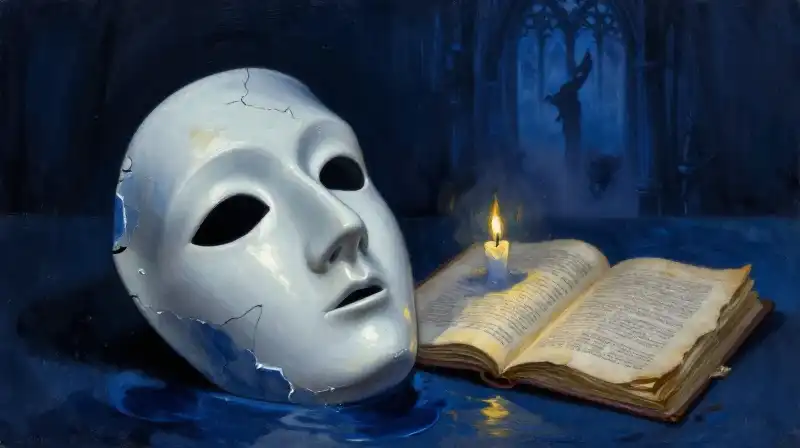
Beyond social observation, a significant vein of classic literature for women delves into the internal psyche, the shadows of the mind, and the atmospheric tension of the unknown.
| Genre/Style | Representative Work | Thematic Focus |
|---|---|---|
| Gothic Horror | Frankenstein by Mary Shelley | The boundaries of creation, isolation, and the sublime [2, 3]. |
| Psychological Realism | The Bell Jar by Sylvia Plath | The suffocating social and personal constraints placed upon women [2]. |
| Psychological Depth | Good Morning, Midnight by Jean Rhys | The fragmented identity and emotional vulnerability of women [2]. |
Mary Shelley’s Frankenstein remains a quintessential classic, not just as a progenitor of science fiction, but as a Gothic masterpiece that interrogates the ethics of ambition and the pain of abandonment [2, 3]. Similarly, Sylvia Plath’s The Bell Jar serves as a hauntingly relatable exploration of the mental health struggles and social pressures that can feel like an inescapable vacuum [2].
American Landscapes: From Regionalism to Modern Realism
The American literary tradition offers a vast canvas for exploring how place shapes identity. Women writers have used the landscape—whether the rolling hills of the South or the harsh prairies of the West—to ground their narratives in visceral reality.
- Willa Cather: Her novel My Ántonia is regarded as a vital piece of American literature, celebrated for its beauty and its ability to capture important social perspectives through the lens of the immigrant experience [2].
- Harper Lee: To Kill a Mockingbird is a Pulitzer Prize-winning masterpiece that utilizes the perspective of childhood to explore the heavy themes of innocence, experience, kindness, and cruelty within a Southern town [2].
- Jesmyn Ward: Representing the bridge to contemporary literature, Ward’s Salvage the Bones (2011) brings a poetic, “muscled” prose style to the exploration of rural poverty, proving that the “classic” impulse toward deep social truth is very much alive [2].
A Guide for the Modern Reader: How to Approach the Canon
If you are feeling intimidated by the sheer volume of “must-read” lists, it is helpful to approach these works not as chores, but as entry points into specific conversations. To find your way through the literature classic novels, consider these starting paths:
- The Social Observer: If you enjoy wit and the nuances of human interaction, start with Jane Austen or E.M. Delafield (notably The Diary of a Provincial Lady) [2].
- The Emotional Explorer: If you are drawn to interiority and the complexities of the human heart, look toward Sylvia Plath, Jean Rhys, or the psychological depth of Kate Chopin [2].
- The Genre Enthusiast: For those who prefer tension and structure, the mystery works of Agatha Christie or the Gothic foundations laid by Mary Shelley offer immediate engagement [2].
Ultimately, the value of these classic books for women lies in their ability to act as mirrors. They reflect the struggles we still face—the search for autonomy, the navigation of social expectations, and the attempt to define oneself against the world. By reading them, we are not just looking backward; we are gaining the vocabulary to understand our own present.
Sources
- 25 must-read classics for women — modernmrsdarcy.com
- What is your favourite classic (book) written by a woman? : r/booksuggestions — reddit.com
- Classic books to read at least once in your lifetime — panmacmillan.com
Related Articles