Russian Historical Fiction: A Guide from Tolstoy to Soviet Thrillers

Introduction
To read Russian historical fiction is to navigate a landscape of extreme shifts: from the gilded, candlelit ballrooms of the Romanov dynasty to the frozen, claustrophobic cells of the Gulag. The genre functions as more than mere period recreation; it is an attempt to grapple with how vast, often violent, political currents reshape the individual soul. Whether the narrative is a sweeping epic about the rise of an empire or a claustrophobic thriller set in a Stalinist interrogation room, the literature is defined by its relationship to scale—the tension between the monumental movement of history and the fragile, private lives caught in its gears.
For the reader, this genre offers a spectrum of entry points. One might seek the lyrical, “not too heavy” elegance of contemporary prose, or perhaps the dense, psychological rigor of the 19th-century masters [1]. Understanding this field requires recognizing its distinct eras: the Imperial grandeur, the revolutionary upheaval, and the stark, often gritty reality of the Soviet period.
The Elegance and Upheaval of Imperial Russia
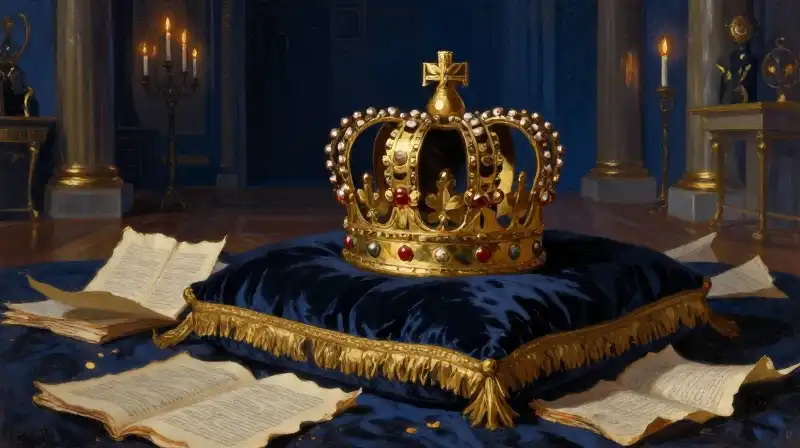
The era of the Tsars provides a rich tapestry for historical fiction, characterized by a fascination with the intersection of private luxury and public collapse. Much of this literature focuses on the twilight of the Romanovs, using specific historical figures to anchor the political instability of the early 20th century [1].
The Romantic and the Mythic
Some authors approach this period through a lens of atmosphere and folklore, blending historical fact with a sense of the uncanny. Katherine Arden’s The Bear and the Nightingale, part of the Winternight Trilogy, is a primary example of this, weaving historical elements with fantasy to capture the spirit of medieval Russia [1]. Similarly, readers often gravitate toward works that utilize the high-stakes drama of the Imperial court, such as Robert Alexander’s The Kitchen Boy or Rasputin’s Daughter, which use the mystery surrounding the last Tsar and his enigmatic advisor to ground the narrative in a period of profound transition [1].
The Foundation of the Genre
To understand the roots of Russian historical storytelling, one must look to the 19th-century foundations. Alexander Pushkin’s The Captain’s Daughter serves as a vital entry point; set during the Pugachev uprising, it demonstrates how historical conflict can be distilled into a focused, character-driven narrative [1]. For those willing to engage with more complex, deeply researched historical depth, the works of Alexei Tolstoy—particularly those concerning the reign of Peter the Great—offer a more demanding but rewarding immersion into the construction of the Russian state [1].
The Soviet Era: From Grit to Suspense
As the narrative moves into the 20th century, the tone of the genre shifts significantly. The “elegance” of the Imperial era is often replaced by a “heavy” or “grit-focused” atmosphere [1]. This period of history demands a different kind of storytelling, often focusing on survival, surveillance, and the psychological toll of totalitarianism.
| Feature | Imperial/Early 20th Century | Soviet/Post-War Era |
|---|---|---|
| Primary Tone | Lyrical, Grandiose, or Mythic | Gritty, Suspenseful, or Existential |
| Central Conflict | Dynastic collapse and social revolution | State surveillance and individual survival |
| Representative Works | The Bear and the Nightingale; The Captain’s Daughter | Child 44; One Day in the Life of Ivan Denisovich |
The Literature of Survival
The Soviet era is frequently explored through two distinct lenses: the immersive, spare prose of those documenting the human cost of the regime, and the modern historical thriller. Aleksandr Solzhenitsyn’s One Day in the Life of Ivan Denisovich stands as a pillar of this era, using short, potent prose to capture the reality of the camps [1]. In contrast, contemporary writers like Tom Rob Smith use the period to fuel suspense, as seen in Child 44, where the historical setting provides the tension for a high-stakes investigation [1].
A Guide to Navigating the Genre

Because Russian historical fiction can range from accessible modern novels to intimidating classics, a structured approach can help readers find their footing. Depending on your preferred reading style, consider these paths:
The “Gentle” Entry Point
If you prefer character-driven narratives that avoid overwhelming bleakness, start with contemporary works that utilize historical settings as a backdrop for human connection. Amor Towles’s A Gentleman in Moscow is a notable example of a narrative that remains engaging and accessible while exploring a profound sense of place and time [1].
The Genre-Bending Path
For readers who enjoy the intersection of history and other genres, such as mystery or fantasy, the following are recommended:
- Historical Mystery: Boris Akunin’s Erast Fandorin series provides a comprehensible and engaging window into 19th-century Russia through the lens of detective fiction [1].
- Historical Fantasy: Katherine Arden’s trilogy offers a way to experience the “feeling” of old Russia through a blend of history and myth [1].
- High-Stakes Thriller: David Benioff’s City of Thieves utilizes the urgency of historical conflict to drive a fast-paced narrative [1].
The Deep Immersion
For those looking to engage with the foundational texts of the Russian literary tradition—the works that defined the very way history is processed through prose—one must eventually turn to the giants: Dostoevsky and Tolstoy [1]. These works are “heavier” and more complex, but they provide the psychological blueprint that almost all subsequent Russian historical fiction follows.
Synthesis: Why Russian Historical Fiction Matters
What makes Russian historical fiction a distinct and enduring category is its refusal to treat history as a mere costume. In the works of Solzhenitsyn, Towles, or Pushkin, history is an active antagonist or a transformative force. The genre excels at exploring the “small” person—the kitchen boy, the prisoner, the displaced aristocrat—against the backdrop of “large” history. By moving between the elegance of the Romanovs and the grit of the Soviet era, readers gain a multifaceted understanding of how power, ideology, and time reshape the human identity.
Sources
- Historical Fiction about Russia? : r/suggestmeabook — reddit.com
Related Articles