Wuthering Heights: A Guide to Editions and Literary Context

Introduction
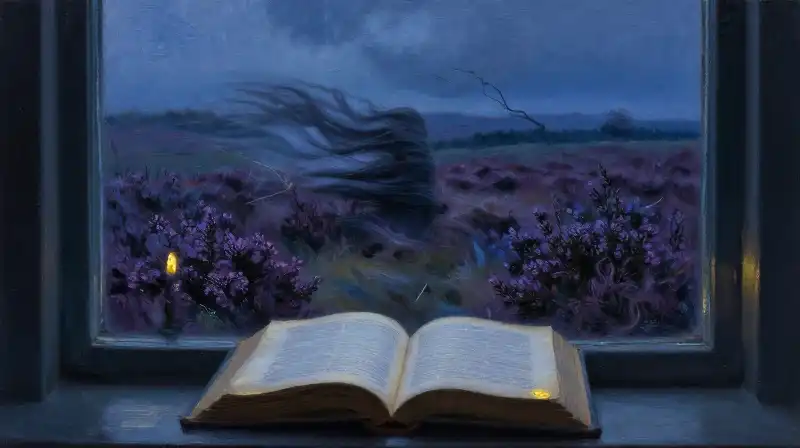
To step into the threshold of Wuthering Heights is to encounter a world defined by “atmospheric tumult”—a term that captures the very essence of the Yorkshire moors where Emily Brontë’s singular masterpiece resides [1]. As the narrator, Mr. Lockwood, first discovers, the house itself is a character: a place of “grotesque carving” on its principal door, bearing the name Hareton Earnshaw and a date reaching back to 1500 [1]. It is a setting that mirrors the tempestuous souls within it, specifically the protagonist Heathcliff, a man described as having the “aspect” of a “dark-skinned gipsy” yet possessing the polished manners of a gentleman, creating a “singular contrast” to his rugged environment [1].
Because the novel is as much an atmospheric experience as it is a narrative, the physical edition you hold in your hands matters. Whether you are approaching the text for the first time or seeking a beautiful volume for a collection, the choice between a scholarly Penguin Classics edition and a decorative clothbound version can change how you engage with Brontë’s prose. This guide explores the literary nuances of Wuthering Heights and helps you navigate the various editions available to the modern reader.
The Darkness and Dialect of the Moors
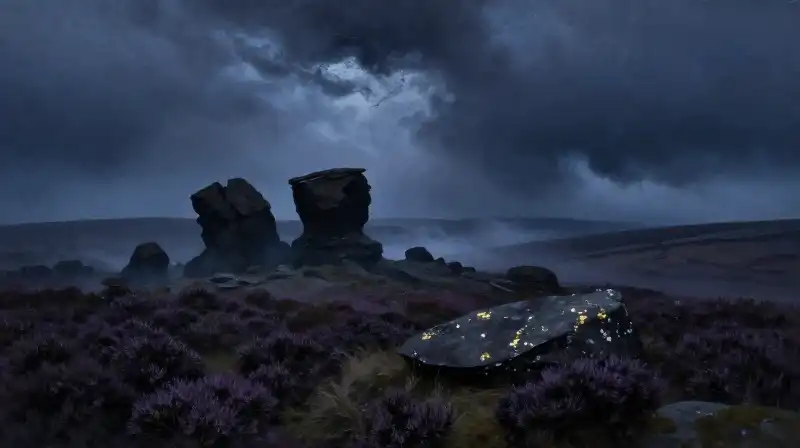
A common question among new readers is: What is so dark about Wuthering Heights? The “darkness” of the novel is not merely a matter of Gothic tropes or shadows in a hallway; it is rooted in the psychological intensity of its characters and the visceral, often unforgiving nature of the landscape. The story navigates themes of obsession, revenge, and a love so profound it borders on the destructive.
Beyond the emotional darkness, there is a linguistic challenge that defines the reading experience. Brontë employs a distinctive Yorkshire dialect, often written phonetically to capture the regional cadence. For many, this adds an immersive, authentic texture to the prose, but it can also prove difficult to parse without assistance [2]. This is where the distinction between editions becomes practical rather than just aesthetic.
Choosing Your Edition: Function vs. Aesthetic
When searching for the right copy—perhaps as a gift or a personal heirloom—readers often find themselves balancing the desire for a “bedroom aesthetic” against the need for a functional, readable text [2]. Below is a breakdown of how different publishing approaches serve different needs.
| Edition Type | Primary Strength | Best For… |
|---|---|---|
| Penguin Classics (Standard) | High literary integrity and accuracy; often includes helpful explanatory notes for dialect [2]. | Students, scholars, and first-time readers navigating the dialect. |
| Penguin Clothbound Classics | Exceptional visual appeal and tactile beauty [2]. | Collectors and those looking for a “statement” book for a shelf. |
| Specialized (e.g., Folio Society) | High-quality production and collectible status; often quite expensive [2]. | Serious bibliophiles and meaningful gifts. |
| Aesthetic/Indie Editions | Designed to match specific decor or visual themes [2]. | Visual collectors (though use caution regarding layout quality) [2]. |
A Note on Quality and Utility
Not all beautiful editions are created equal. Some independent or self-published versions have been criticized for disruptive layouts or page sizing that feels more like a textbook than a sweeping novel [2]. Similarly, while some publishers like Chiltern offer “excellent print quality” and striking covers, they may lack the scholarly explanatory notes found in a Penguin Classics edition [2]. If you are tackling the text for the first time, the Penguin Classics version is frequently cited by educators as a trusted, reliable choice because it prioritizes the clarity of the reading experience [2].
Understanding the Legacy
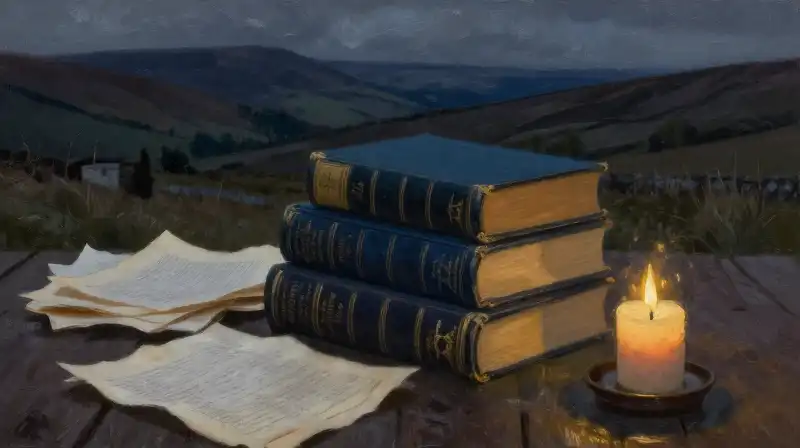
As you search for Wuthering Heights Penguin Classics or various hardcovers, you may encounter several recurring questions. Here is a brief clarification on the most common points of confusion:
- Is Wuthering Heights a Penguin Classic? Yes, it is one of the most prominent titles in the Penguin Classics catalog, available in various formats including deluxe editions, clothbound versions, and hardcovers.
- Why the focus on “darkness”? The darkness refers to both the Gothic atmosphere of the Yorkshire moors and the intense, often transgressive psychological drive of characters like Heathcliff and Catherine Earnshaw.
Why Wuthering Heights Endures
Ultimately, Wuthering Heights remains a cornerstone of literature because it refuses to offer easy comforts. It is a novel of extremes: extreme weather, extreme social shifts, and extreme human emotion. Whether you choose a rugged, affordable paperback to focus solely on the stormy dialogue or a meticulously bound Folio Society edition to honor its status as a masterpiece, you are engaging with a work that redefined the boundaries of the novel. It is a story that demands to be felt as much as it is read, much like the “atmospheric tumult” of the moors themselves [1].
Sources
- Penguin Random House Higher Education — penguinrandomhousehighereducation.com
- Which Wuthering Heights book to get for girlfriend? : r/brontesisters — reddit.com
Frequently Asked Questions
Is Wuthering Heights a Penguin classic?
Yes, it is one of the most prominent titles in the Penguin Classics catalog. It is available in several formats, including hardcovers, clothbound versions, and deluxe editions.
What is so dark about Wuthering Heights?
The darkness refers to the Gothic atmosphere of the Yorkshire moors and the intense, often transgressive psychological drives of characters like Heathcliff and Catherine Earnshaw. It is also rooted in themes of obsession, revenge, and destructive love.
Related Articles