
The Evolution of Leather Bound Classic Books: A Collectors History

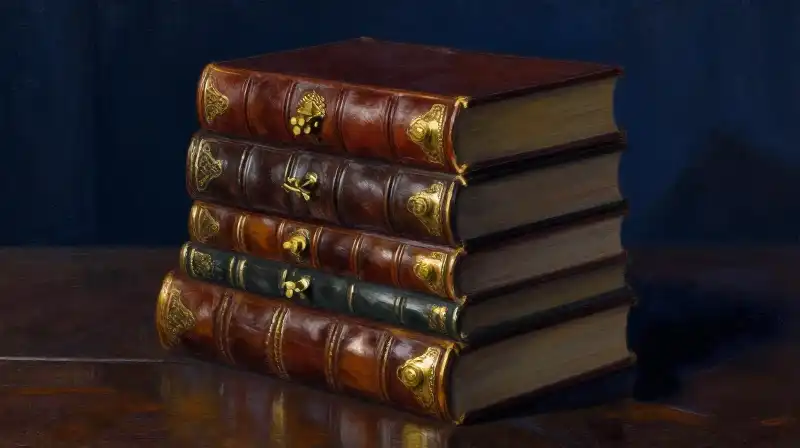
The Tactile Allure of the Bound Classic
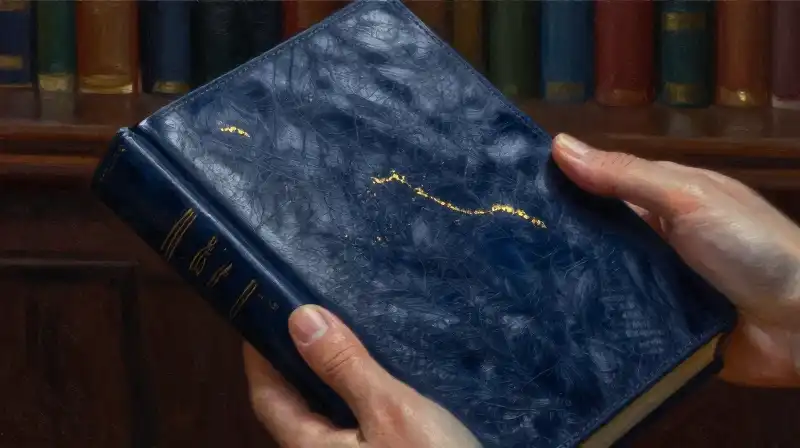
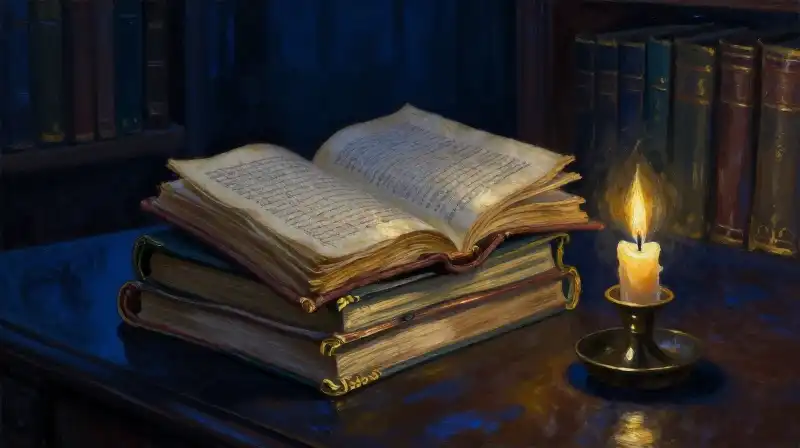
There is a specific, sensory gravity to holding a leather-bound book. It is not merely the weight in the palm, but the scent of the binding, the texture of the grain, and the way the gold foil catches the light on a bookshelf. For many readers, the physical vessel of a story is as much a part of the literary experience as the prose itself. While the digital age has prioritized the ephemeral convenience of the e-reader, a parallel movement has maintained a deep reverence for the book as a permanent, tactile object of art.
One of the most significant modern chapters in this history is the rise of collectible series that brought the aesthetic of the private library into the hands of the general reader. Specifically, the evolution of the Barnes & Noble Collectible Classics illustrates how a mass-market publisher can bridge the gap between utilitarian reading and the high-art tradition of fine binding. By examining the shift from the austere, omnibus-style editions of the 1990s to the highly ornate volumes of the mid-2000s, we can see how the “leather bound classic book” became a symbol of both literary preservation and domestic curation.
The Genesis of the Collectible Series
The Barnes & Noble Collectible Classics series began in 1992, marking a deliberate attempt to offer readers a way to own “evergreen” literature in a format that felt enduring [1]. These early editions were not designed as individual novels, but rather as ambitious omnibus volumes. This structural choice allowed a single, substantial book to collect multiple titles by one author, creating a sense of completeness that appealed to both students and serious collectors [1].
In these formative years, the design language was characterized by a dignified, somewhat restrained traditionalism. The goal was to evoke the feeling of an established library without the prohibitive cost of true antiquarian volumes. The hallmarks of this “original series” (published between 1992 and 2006) included:
- Materiality and Texture: Covers were typically crafted from dark, bonded leather, providing a consistent tactile experience across the collection [1].
- Classic Ornamentation: The aesthetic utilized gold text, simple foiled borders, and raised bands on the spine to mimic the appearance of hand-bound historical volumes [1].
- Gilt Finishes: To enhance the sense of prestige, these editions often featured gilt page edges, a detail traditionally used to protect pages from dust and light while adding a shimmering visual quality [1].
- Archival Integrity: Recognizing that collectors value longevity, these early editions were printed on environmentally friendly archival paper sourced from Lyons Falls Pulp & Paper [1].
Format and Functionality: Casebound vs. Leatherbound
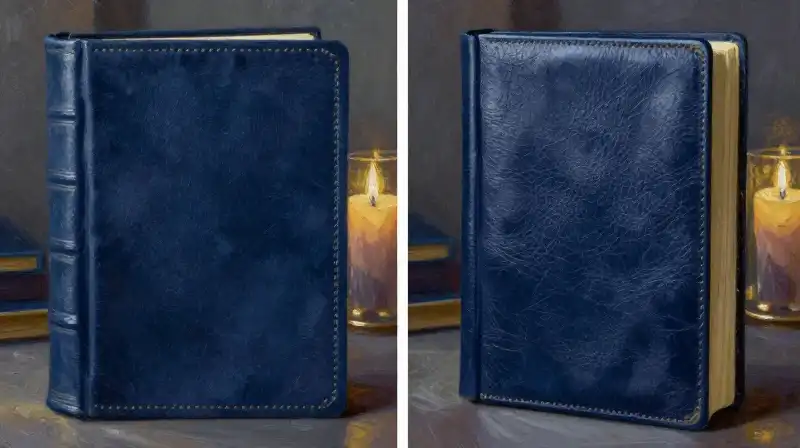
A common point of confusion for those browsing vintage or collectible shelves is the distinction between different binding types. During the early years of the Barnes & Noble series, the publisher offered two distinct formats: a standard “casebound” hardback and a more limited “leatherbound” version [1].
It is important for the collector to understand that, in many of these series, the difference between the two is purely aesthetic rather than textual. The interior content—the words of Austen, Dickens, or Tolstoy—remained identical. The distinction lay in the “skin” of the book: the casebound editions offered a sturdy, professional hardback, while the leatherbound versions provided the more luxurious textures and decorative flourishes sought by bibliophiles [1].
The Pivot Toward Ornamentation
As the series matured, the design philosophy underwent a visible transformation. The early, more minimalist approach gave way to a style that embraced maximalism and intricate detail. A pivotal moment in this evolution occurred in 2005 with the release of a highly decorated edition of The Complete Works of Lewis Carroll [1].
This specific release acted as a stylistic herald, signaling a move toward the more ornate and visually complex designs that characterize the modern iteration of the series [1]. This shift moved the books away from the “utilitarian omnibus” feel and toward the “treasury” feel—volumes that are intended not just to be read, but to be displayed. This change reflects a broader trend in the book market where the physical object is increasingly viewed as a piece of home decor or a “statement” piece of literature.
Comparing the Eras of Collectible Classics
| Feature | Original Series (1992–2006) | Modern/Ornate Era (Post-2005) |
|---|---|---|
| Primary Design Goal | Substantial, scholarly omnibus volumes [1]. | Highly decorative, visual treasuries [1]. |
| Visual Aesthetic | Dark, simple, and traditional [1]. | Intricate, maximalist, and ornate [1]. |
| Key Example | Standard author collections [1]. | The Complete Works of Lewis Carroll [1]. |
Navigating the World of Leather Bound Books
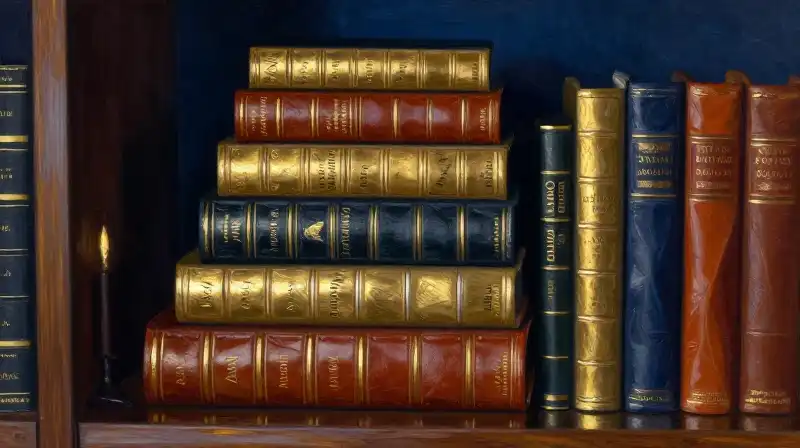
For the modern reader interested in acquiring leather-bound classics, the market can be intimidating. Whether you are searching for old leather books for decorating or seeking a specific modern leather bound book for your reading nook, understanding the categories is essential.
Collectors generally navigate three distinct tiers of the market:
- The Mass-Market Collectible: These are series like the Barnes & Noble editions. They offer the prestige of leather and gold foil at an accessible price point. They are excellent for building a uniform-looking library on a budget.
- The Fine Press: Companies like Franklin Press create books that are often limited editions, focusing heavily on the marriage of typography and high-quality binding. These are often treated as much as art objects as literary ones.
- The Antiquarian/Antique: These are true historical artifacts. Finding these on platforms like eBay requires a keen eye for condition, paper acidity, and the authenticity of the leather. These are prized for their provenance and historical value.
Why the Physicality Matters
The evolution from the restrained, archival-focused editions of the early 1990s to the highly decorative volumes of today reveals a fundamental truth about our relationship with literature: we do not just consume stories; we inhabit them. A leather-bound book provides a sense of permanence in a world of ephemeral digital text. Whether it is an omnibus volume designed to hold a lifetime of a single author’s work or a single, ornate edition of a beloved fable, these books serve as anchors. They turn the act of reading into a ritual, transforming a simple passage of prose into a tactile, multisensory experience that honors both the writer’s craft and the reader’s devotion.
Sources
- Barnes & Noble Leatherbound Classics: The Original Series — beautifulbooks.info
Related Articles