Great Illustrated Classics: A Guide to the Iconic Series

Introduction
For many readers, the first encounter with the sweeping landscapes of Victorian London or the gothic shadows of Transylvania did not come through the heavy, unabridged volumes of the 19th century, but through the slim, brightly illustrated pages of a “Great Illustrated Classic.” Published by Waldman Publishing under the Baronet Books imprint, this series of 66 titles served as a vital literary gateway for generations of young readers [1]. By distilling complex narratives into accessible prose and pairing them with evocative imagery, the series functioned as both a primer and a bridge, turning intimidating canons into digestible adventures [2].
To understand the legacy of the Great Illustrated Classics is to understand the delicate craft of the literary adaptation. These are not merely “shortened” books; they are curated experiences designed to maintain the emotional core of a masterpiece while respecting the cognitive limits of a developing reader [1]. Whether it was the terrifying isolation of Frankenstein or the social intricacies of Jane Eyre, these editions offered a visual and textual scaffolding that allowed new readers to grasp the fundamental arcs of the Western canon [1, 2].
The Architecture of an Adaptation
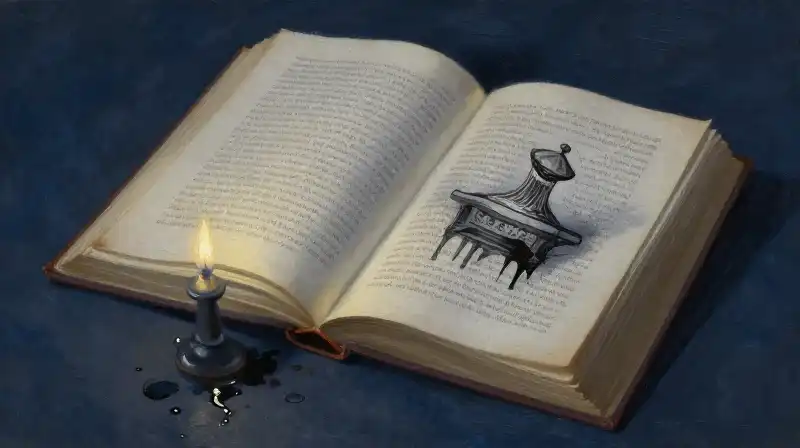
The series is defined by a specific structural rhythm that sets it apart from standard prose. Unlike a traditional novel, these books utilize a unique visual format where illustrations appear on every other page [1]. This technique creates a pacing mechanism similar to modern graphic novels, providing a visual anchor for the reader’s imagination [1].
This format serves several critical functions in the context of literacy development:
- Cognitive Scaffolding: The illustrations act as a semiotic guide, helping readers visualize settings and character expressions that might otherwise be lost in the simplified text [1].
- Genre Reinforcement: The visual style often leans into the atmosphere of the specific genre, whether through the moody, dark tones required for gothic horror or the bright, adventurous aesthetics of classic realism [1].
- Pacing Control: By breaking up the text, the series prevents “reader fatigue,” a common hurdle for students transitioning from picture books to chapter books [2].
Mapping the Canon: A Survey of Genres
One of the most significant achievements of the series was its breadth. It did not settle for a single niche, but instead provided a survey of the most influential movements in literature. This allowed readers to develop a “literary map” before they ever tackled the original texts.
Speculative Worlds: Science Fiction and Gothic Horror
The series leaned heavily into the “sublime”—the literary concept of greatness beyond all possibility of calculation, measurement, or imitation. This was achieved through two primary genres:
- Science Fiction: Works such as H.G. Wells’ The Time Machine, The War of the Worlds, and The Invisible Man introduced readers to the concept of speculative evolution and technological anxiety [1].
- Gothic Horror: The series mastered the atmospheric dread of the Gothic through adaptations of Dracula, Frankenstein, and The Phantom of the Opera [1]. These versions emphasized the psychological tension and the “uncanny” elements central to the genre.
Humanity and Society: Classic Realism
Counterbalancing the fantastic were the works of realism, which focused on character development and social structures. Titles like Jane Eyre, Little Women, and Black Beauty provided a foundation in the study of empathy and social morality [1, 2]. By presenting these stories in an accessible format, the series allowed readers to engage with the complexities of class, gender, and survival without being overwhelmed by the dense syntax of the originals [2].
Navigating the Series: A Comparison of Editions
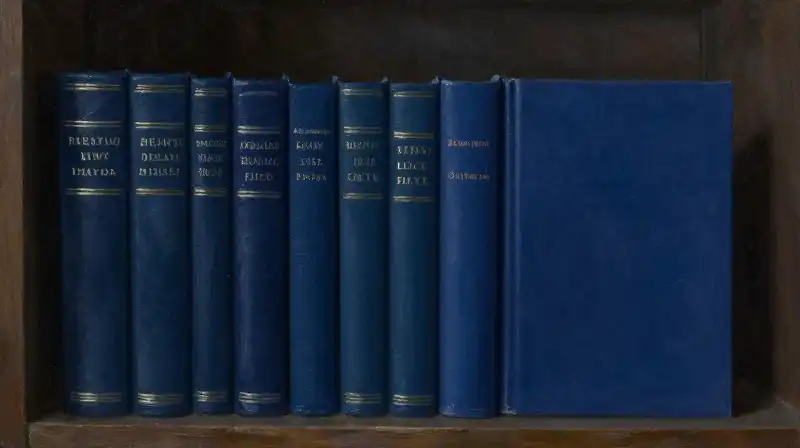
Collectors and educators often encounter confusion regarding the various iterations of these books. While many recognize the “Great Illustrated Classics” name, there are nuances in branding and format that are important to distinguish.
| Feature | Great Illustrated Classics (Hardcover) | Illustrated Classics Editions (Moby Books) |
|---|---|---|
| Primary Association | Waldman Publishing / Baronet Books [1] | Associated with Waldman branding [2] |
| Format Preference | Often found in hardcover collections [2] | Commonly found in paperback [2] |
| Reader Experience | A standard for school libraries [1] | Often viewed through a lens of nostalgia [2] |
Practical Utility: Reading Levels and Educational Use
A frequent question regarding these books is their suitability for specific age groups. Because the series was designed for skill development, it is highly structured. Most individual titles include an “About This Book” section that provides specific reading levels and Lexile scores [1]. This makes the series an invaluable tool for:
- School Librarians and Teachers: The books are easily integrated into reading exercises and classroom curricula [1].
- Homeschooling Communities: The versatility of the series allows for a broad literary survey that remains manageable for students [1].
- Transitioning Readers: The series acts as a “low-stakes” entry point. However, parents and educators should note that because these are abridged, they may not contain the full nuance required for certain standardized tests, such as Accelerated Reader (AR) quizzes, which often test for details omitted in the simplified versions [2].
The Lasting Impact of the Abridged Text
The Great Illustrated Classics series occupies a unique space in the history of reading. While some may dismiss abridged versions as “lesser” than the originals, this view overlooks their fundamental role in literary socialization. By providing a visual and narrative entry point, the series democratized access to the classics, ensuring that the ideas of Dickens, Doyle, and Twain were not gatekept by difficult prose.
Ultimately, these books served a vital purpose: they built the appetite for the very stories they simplified. They taught a generation not just what happened in the great stories, but how to inhabit the worlds those stories created. Whether through a chilling encounter with Dracula or a journey through the time stream, these editions turned the daunting task of “reading the classics” into a lifelong pursuit of discovery.
Sources
- Great Illustrated Classics homepage — greatillustratedclassics.com
- Who else read and had dozens of the “Great Illustrated Classics”? : r/nostalgia — reddit.com
Related Articles