
Young Adult Sci Fi Books: From Space Operas to Dystopian Worlds

Introduction
The neon hum of a starship engine or the oppressive silence of a walled city—young adult science fiction does not merely aim to transport readers to different worlds; it uses those worlds to interrogate the very nature of identity, agency, and survival. While the genre is often categorized by its high-concept premises—intergalactic travel, artificial intelligence, and the complexities of extraterrestrial life [2]—its true strength lies in the emotional resonance of its characters navigating these extremes. For a reader, entering this genre is not just about witnessing technological marvels; it is about witnessing the human (or post-human) spirit tested by the impossible.
Modern YA science fiction is a vast, kaleidoscopic landscape. It ranges from the adrenaline-fueled tension of high-stakes space adventures to “cozy” sci-fi that focuses on intimate connections within vast settings [1]. It also frequently blurs the lines between the mechanical and the mystical, creating “science-fantasy” hybrids that challenge our traditional understanding of genre boundaries [1]. To navigate this terrain, one must understand that the genre is less a monolith and more a collection of distinct modes, each offering a different lens through which to view the future.
Mapping the Landscape: A Taxonomy of YA Science Fiction
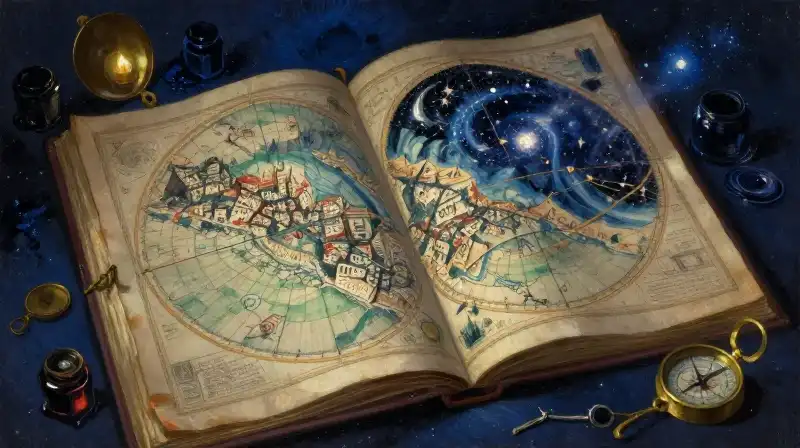
Because the term “science fiction” acts as an umbrella for many disparate storytelling modes, readers often find themselves confused by genre overlaps. The following table clarifies the distinctions between the most common sub-genres found in contemporary young adult literature.
| Sub-genre | Primary Focus | Representative Characteristics |
|---|---|---|
| Space Opera | Grand scale, adventure, and interstellar politics. | Large-scale conflicts, planetary adventure, and epic journeys, such as Brandon Sanderson’s Skyward [1]. |
| Dystopian Fiction | Societal collapse and systemic oppression. | Focus on survival within broken social hierarchies, often overlapping with science fiction, such as The Hunger Games [1, 2]. |
| Science-Fantasy | The intersection of technology and magic. | Worlds where advanced tech and supernatural elements coexist, exemplified by Xiran Jay Zhao’s Iron Widow [1]. |
| Cozy Sci-Fi | Atmosphere, character, and emotional intimacy. | Smaller-scale, less violent narratives that prioritize connection, such as Zero-Point Symphony [1]. |
| Cyberpunk/High-Tech | Technological impact on social structures. | Exploration of how advanced tech alters human identity and social standing, seen in the Lunar Chronicles [1]. |
The Dystopian Intersection: Science Fiction or Social Commentary?
One of the most frequent points of discussion among readers is the distinction between “pure” science fiction and dystopian fiction. While they share a DNA of speculative settings, their core intents differ. Science fiction often asks, “What if this technology existed?” whereas dystopian fiction asks, “What happens to our humanity when this system is enforced?”
Many iconic works sit directly on this fault line. For instance, The Hunger Games is frequently classified as more dystopian than pure science fiction [1, 2]. While it utilizes sci-fi elements (technological surveillance, advanced arena design), its primary driver is the critique of systemic oppression and the struggle for survival within a controlled state. Similarly, survival-centric narratives like The 100 or The 5th Wave use sci-fi premises—re-colonizing Earth or alien invasions—as the crucible in which character morality is tested [1].
Core Themes and Literary Techniques
Beyond the settings, certain thematic and structural pillars define the excellence of the genre. To truly understand these works, one should look for how authors use specific devices to deepen the reading experience.
1. Psychological Tension and Identity
In YA science fiction, the external conflict (an alien invasion, a galactic war) is almost always a mirror for the internal conflict of adolescence. This is seen in titles like The Darkest Minds, where characters must navigate their own burgeoning abilities while escaping the terror of prison camps [1]. The “supernatural” or “technological” ability serves as a metaphor for the terrifying, transformative experience of growing up and gaining power.
2. Structural Innovation: The Epistolary Shift
Authors are increasingly moving away from standard third-person omniscient narration to more immersive, fragmented styles. A notable example is Jay Kristoff’s Illuminae Files, which utilizes a multi-media or epistolary storytelling style [1]. By using hacked files, emails, and transcripts, the author places the reader directly into the chaos of the narrative, mimicking the sensory overload of a technological crisis.
3. The Blurring of Boundaries: Science-Fantasy
The rise of “science-fantasy” represents a shift in how young readers consume speculative fiction. In works like Iron Widow, the rigid logic of science fiction is infused with the wonder and mythic weight of fantasy [1]. This allows authors to explore complex social hierarchies through the lens of both technological advancement and magical destiny, creating a richer, more textured world-building experience.
A Reader’s Guide: Where to Begin
Because the genre is so diverse, the best entry point depends on what a reader seeks from their speculative journey. If you are looking for specific experiences, consider these paths:
- For the High-Stakes Adventurer: Start with Space Operas. Look to the Aurora Cycle or Brandon Sanderson’s Skyward for sweeping journeys through the stars and high-octane tension [1].
- For the Social Critic: Dive into Dystopian and Social Sci-Fi. Marissa Meyers’ Cinder provides a compelling look at technological and social hierarchies [1], while The 5th Wave offers a harrowing look at invasion and survival [1].
- For the Romance Enthusiast: Explore Sci-Fi Romance. Works like A Thousand Pieces of You utilize multi-dimensional travel to explore the depths of human connection across time and space [1].
- For the Classicist: Look toward the foundational influences. While modern readers may debate the “YA” classification of older works, the DNA of the genre can be traced back to the structural and thematic echoes of Ender’s Game and the expansive wonder of Doctor Who [1, 2].
The Enduring Power of the Speculative Future
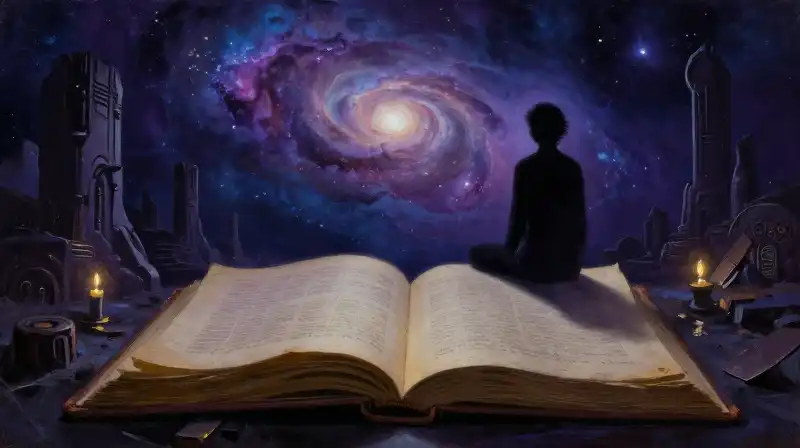
Young adult science fiction matters because it provides a safe yet profound space to rehearse the complexities of the real world. By projecting our current anxieties—technological overreach, environmental collapse, or social inequality—into the far reaches of space or the dark corners of a dystopian future, these stories allow us to examine our own trajectory. Whether through the lens of a starship captain or a survivor in a crumbling city, the genre proves that the most important frontier is not the galaxy itself, but the evolving human heart within it.
Sources
- Looking for Science Fiction YA books : r/YAlit — reddit.com
- Teen and YA Science Fiction Books — barnesandnoble.com
Related Articles